Vinegar has been used for thousands of years throughout kitchens around the world and remains one of the most versatile ingredients in cooking today. From bright salad dressings and marinades to gourmet finishing sauces and pickling applications, vinegar brings balance, depth, and acidity to countless dishes.
Produced through a natural fermentation process, vinegar can vary greatly in flavor, color, texture, and aging depending on the ingredients and methods used. Some vinegars are light and sharp, while others develop rich sweetness and complex flavor through years of aging.
Among the many varieties available, balsamic vinegar remains one of the most celebrated. Known for its smooth texture, balanced sweetness, and deep flavor, balsamic vinegar has become a staple ingredient in both everyday cooking and gourmet cuisine. Alongside balsamic vinegar, varieties such as red wine vinegar, white balsamic vinegar, distilled vinegar, and balsamic glaze each offer their own unique culinary uses and characteristics.
Vinegar has a long history dating back thousands of years and has been used by civilizations across Europe, Asia, and the Middle East. Early forms of vinegar were discovered naturally during the fermentation of fruits and grains and quickly became valued for both culinary and preservation purposes.
Throughout history, vinegar was used not only in cooking but also in food storage and traditional remedies. As production methods improved, different regions developed their own signature vinegars using local ingredients and aging techniques.
Today, vinegar remains an essential ingredient in cuisines around the world, with each variety offering unique flavor and culinary applications.
Vinegar is created through a fermentation process that converts natural sugars into alcohol and then into acetic acid. This process gives vinegar its signature tangy flavor and preserving qualities.
Different types of vinegar are made using different base ingredients, including:


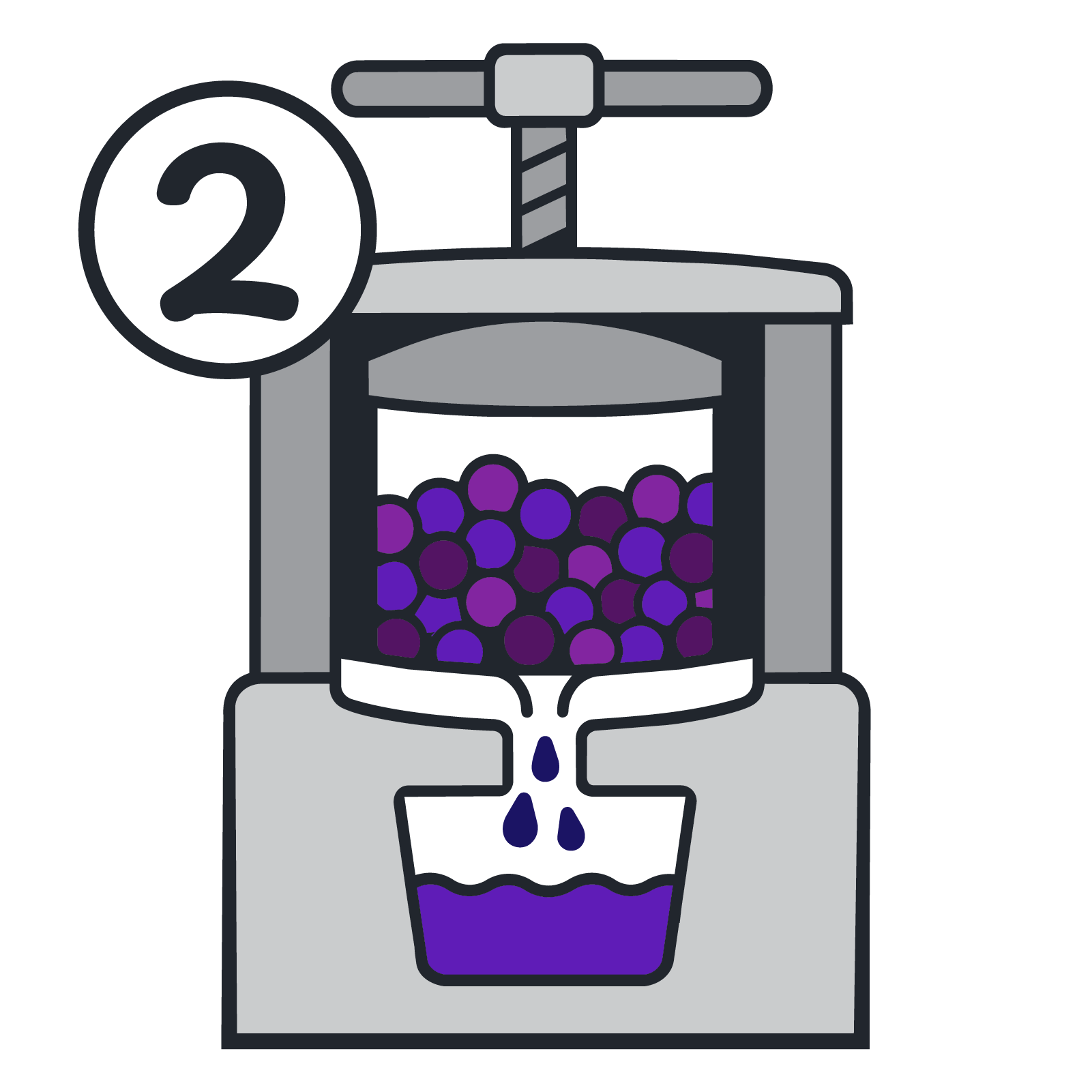
Although production methods vary depending on the type of vinegar, most vinegars follow a similar process. It begins with fermentation, where natural sugars from fruits, grains or wine are converted into alcohol by yeast. During acidification, beneficial bacteria transform the alcohol into acetic acid, giving vinegar its characteristic tangy flavor and aroma. Once the desired acidity is achieved, some vinegars are bottled immediately, while others undergo aging and maturation in barrels to develop greater depth, sweetness and complexity. Finally, the vinegar is filtered, tested and bottled, ensuring a consistent flavor profile before it is packaged and distributed for consumers to enjoy.


Aging plays an important role in the flavor and texture of many vinegars, especially balsamic vinegar. Over time, vinegar develops greater complexity, smoother texture, and more concentrated flavor. The longer the aging process, the more complex and concentrated the final vinegar becomes.
Proper aging allows:
One of the most common, well-known vinegars is clear, distilled vinegar. Distilled vinegar starts out with a high acidity and is diluted with water to between 5% and 7% concentration. This vinegar has no added flavor, no added colors and is used for numerous applications, such as adding a splash of acidic flavor to salad dressings, food jarring and canning industrial food processes.
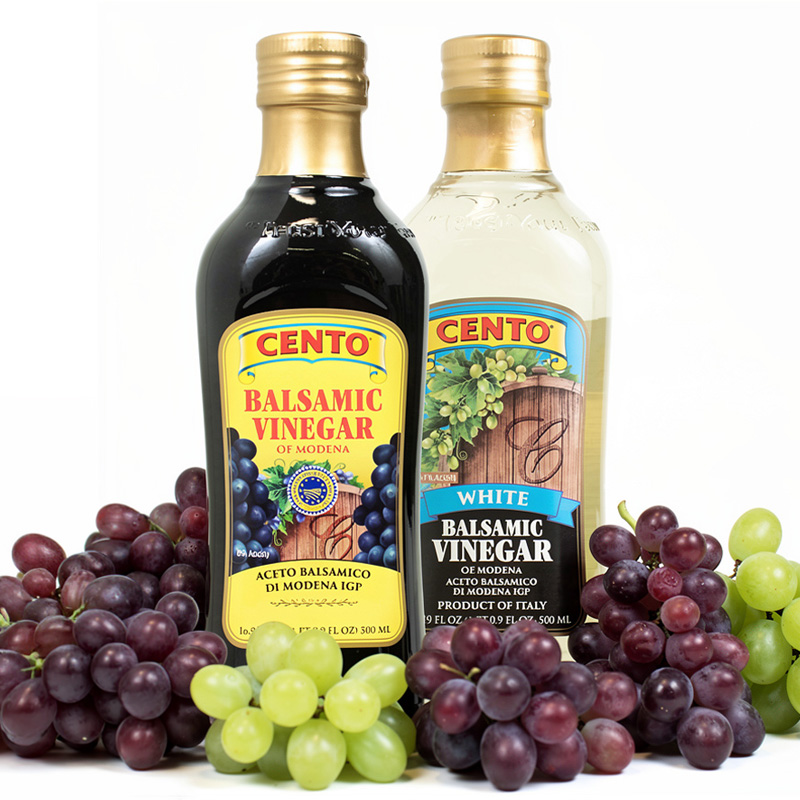
Balsamic vinegar is one of Italy’s most iconic culinary ingredients and is primarily produced in the regions of Modena and Reggio Emilia.
Unlike many other vinegars, balsamic vinegar is made from cooked grape must, which includes the juice, skins, seeds, and stems of freshly harvested grapes. The must is slowly reduced before being combined with wine vinegar and aged in wooden barrels.
As balsamic vinegar matures, it develops a smoother texture, deeper flavor, and balanced sweetness that distinguish it from sharper, more acidic vinegars.
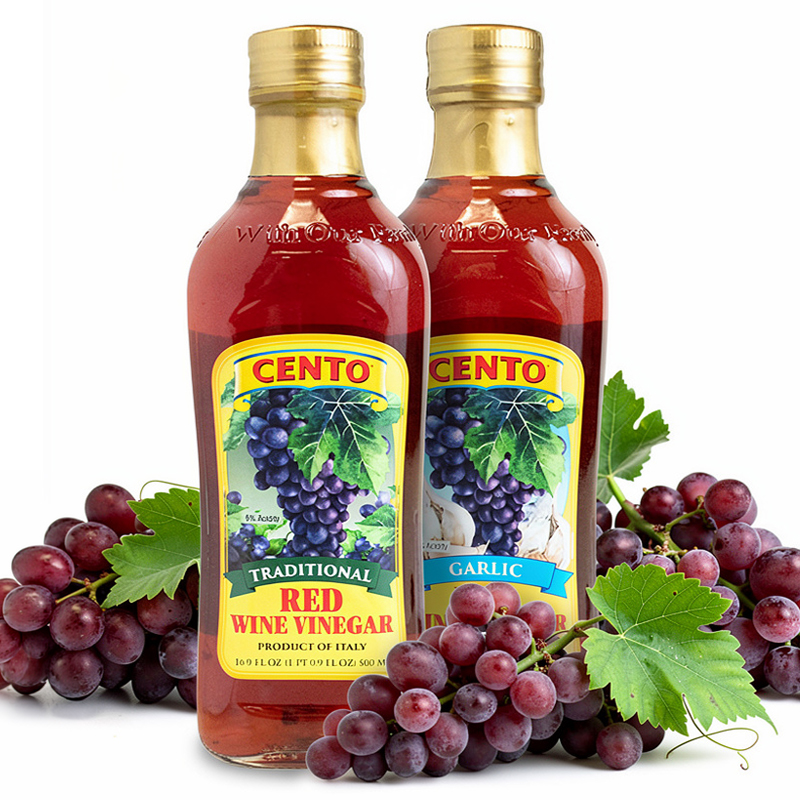
Red wine vinegar is produced through the fermentation of red wine into acetic acid. Known for its bold acidity and bright flavor, red wine vinegar is widely used in Mediterranean cooking. Over time, aging can soften the vinegar’s sharpness while maintaining its tangy character.

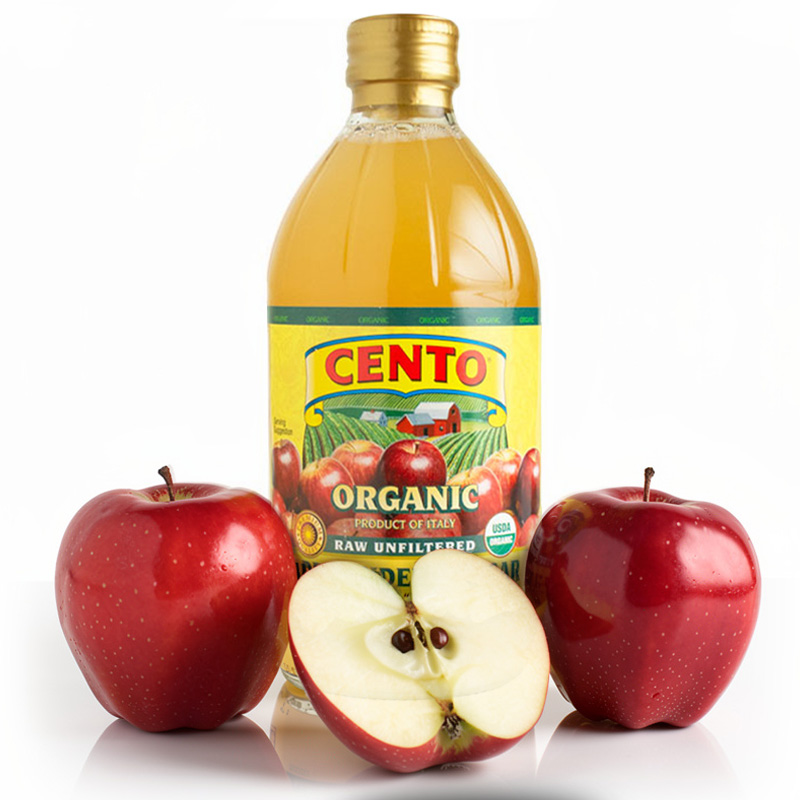
Apple cider vinegar is made from fermented apple juice and is known for its bright acidity and mild fruity flavor. The fermentation process converts the natural sugars in apples into alcohol before beneficial bacteria transform it into vinegar.
Unlike sharper distilled vinegar, apple cider vinegar has a slightly sweeter and smoother taste, making it popular in both cooking and everyday pantry use.
Packaging, nutrition facts and ingredient statements are
subject to change. For the most up to date information
regarding a product, please refer to the product’s packaging.