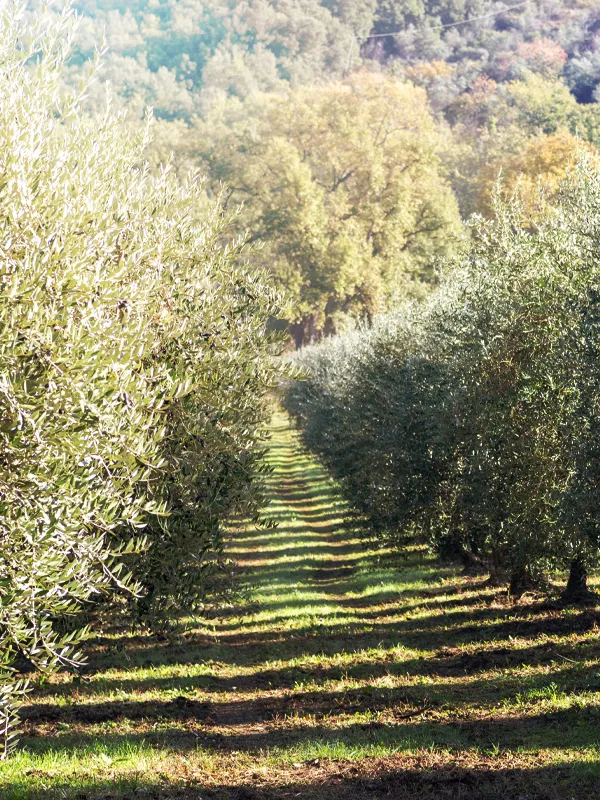
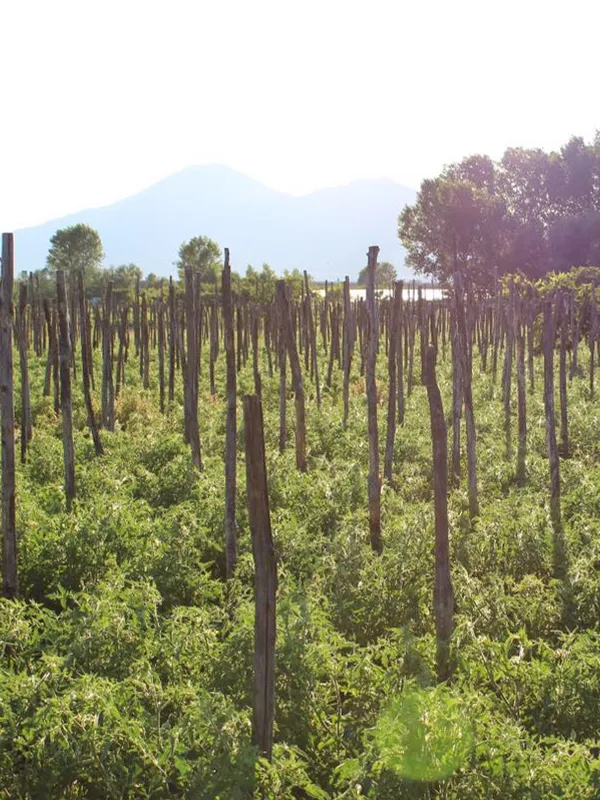
Traceability is how we turn a promise into proof. It connects every can or bottle to verified lot data, so customers are not just trusting our label, they are seeing the real story behind it. Whether it is San Marzano tomatoes from the shadow of Mt Vesuvius, extra virgin olive oil from an Italian grove, or tuna from a particular boat and region, traceability protects authenticity, reinforces sustainability, and guarantees the quality Cento stands for.
Real origin, not a vague claim
Customers can see exactly where their product began, down to the field, grove, or fishing region.
Proof of authenticity
Traceability confirms the product matches its protected variety, method.
Confidence in sustainability
Being able to trace back to a boat or farm shows responsible sourcing is more than marketing; it is verifiable.
Higher quality guardrails
Lot level tracking helps ensure standards were followed at each step and supports fast, precise quality control.
A stronger connection to food
Each pantry item has a story, feel closer to what you’re eating and the people and places behind it.
Certification is only meaningful when it is supported by traceability. Cento works with third-party organizations and verification programs to help validate responsible sourcing practices and ensure traceability throughout the supply chain.
By connecting products to verified data, Cento provides shoppers with a greater level of transparency and confidence. From the farms in Campania to the finished cans on store shelves, every step is part of a process designed to uphold authenticity, quality, and trust.
PAC, or Product Attribute Certification, was created to verify traceability and sustainability standards and practices. Our mission is to certify the geographical connection of attributes to products, providing transparency and promoting consumer confidence.
Trace Register allows us to electronically connect lot data with products, certifying traceability standards. Consumers can trace their Cento Tuna cans back to the boat where their tuna was caught.
Certified by an independent E.U. approved US accepted third-party agency under UNI EN ISO 22005:20008 for supply chain and product traceability. ISO is an independent, non-governmental organization
The International Olive Council is the world’s only international intergovernmental organization in the field of olive oil and table olives. The IOC seeks to promote the international trade in olive products, part of which it does by establishing and ensuring adherence to grading standards for those products.
The NAOOA is a not-for-profit trade group of olive oil marketers in North America. Their mission is to promote the consumption of all types of olive oil by communicatingolive oil’s health benefits, flavors and culinary versatility.Their members are committed to meeting or exceeding the standards set by the International Olive Council (IOC). Representing more than two-thirds of the olive oil consumed in the USA and Canada.
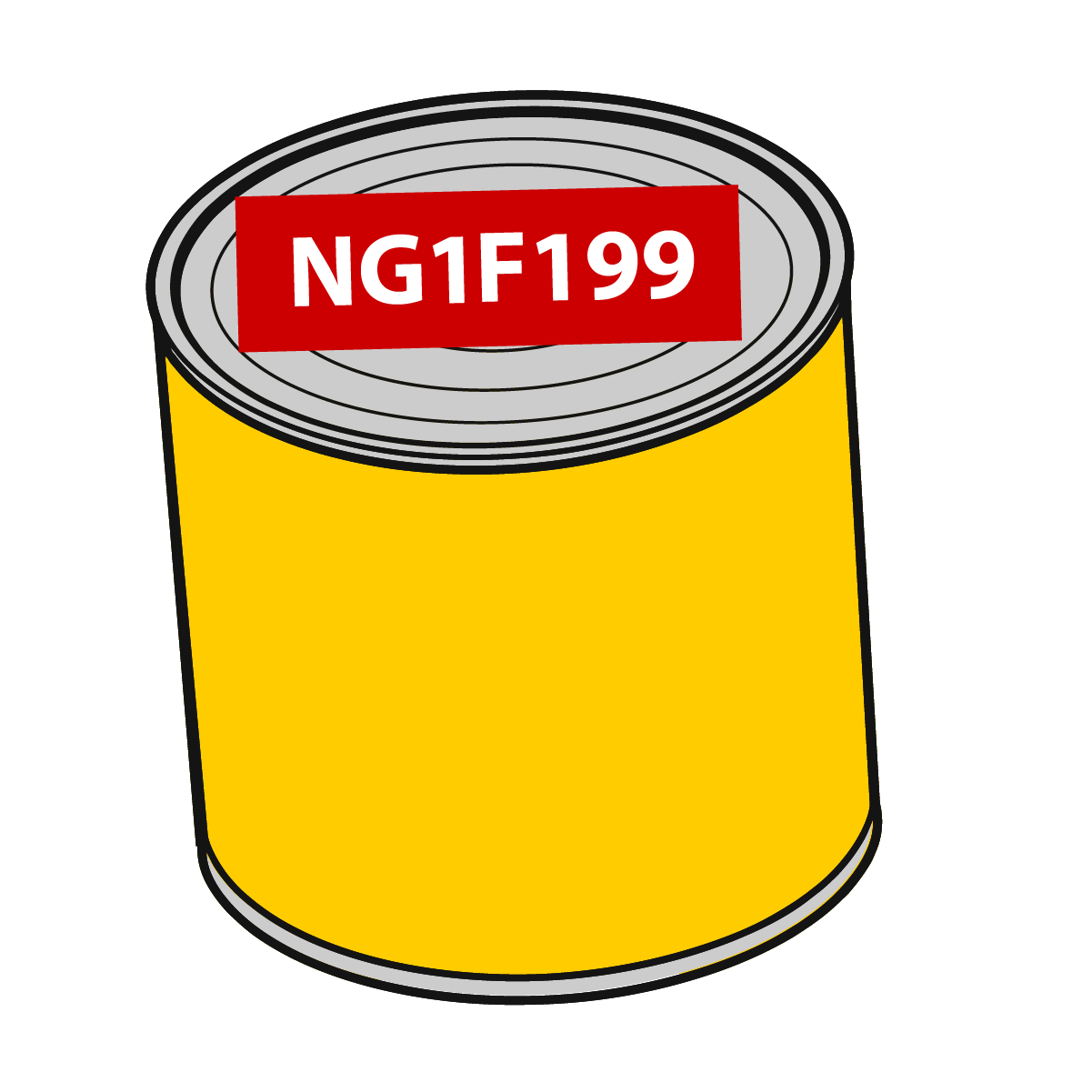
Every participating product contains a unique lot code that connects it to its origin. Simply locate the code on your can or bottle, select the corresponding traceability program below, and enter the code to discover where your product’s journey began.


Packaging, nutrition facts and ingredient statements are
subject to change. For the most up to date information
regarding a product, please refer to the product’s packaging.