All About Balsamic Vinegar Badge

What is Balsamic Vinegar?

Balsamic vinegar is a unique type of vinegar that differs from most others due to its production process. It undergoes only one stage of fermentation, followed by aging in barrels for a prolonged period of time. The base ingredient for balsamic vinegar is grape must, which is a thick syrup created by pressing fresh grapes along with their skins, seeds, and stems.

Both stock and broth are made by simmering ingredients in water, but the preparation methods and intended uses are what truly set them apart. From hearty gravies and slow cooked stews to light soups and risottos, each provides its own distinct culinary advantages.

History of Balsamic Vinegar

Balsamic vinegar has a rich history that dates back to ancient times. The first recorded use of balsamic vinegar was in Italy in 1046 when it was given as a gift to Emperor Enrico III of Franconia. In those days, balsamic vinegar was highly prized and considered a luxury item. It was used as a cure for many ailments such as sore throats, digestive issues, and even as a remedy for the plague.

During the Middle Ages, barrels of balsamic vinegar were given to families as a wedding gift or to celebrate the birth of a child. These barrels would be stored in a safe place to allow the vinegar to age and develop its unique flavor. The process of aging balsamic vinegar was highly guarded and passed down from generation to generation. It was considered a symbol of peace because it was only given to trusted members of the community on special occasions.

It wasn’t until the 1970s that balsamic vinegar became popular outside of Italy. Italian chefs discovered that balsamic vinegar paired well with most Mediterranean foods and began to use it in their recipes. Soon, it appeared in magazines and press around the world and became a highly sought-after ingredient in many kitchens. Today, balsamic vinegar can be found in any grocery store and is used in a wide variety of dishes from salads to marinades to desserts.

It is important to note that not all balsamic vinegars are created equal. There are many cheap imitations on the market that do not undergo the same process of aging and reduction as traditional balsamic vinegar. These imitations lack the complexity and depth of flavor that comes from the slow aging process, and as such, should be avoided if you are looking to experience the true flavor of balsamic vinegar. 

The Process

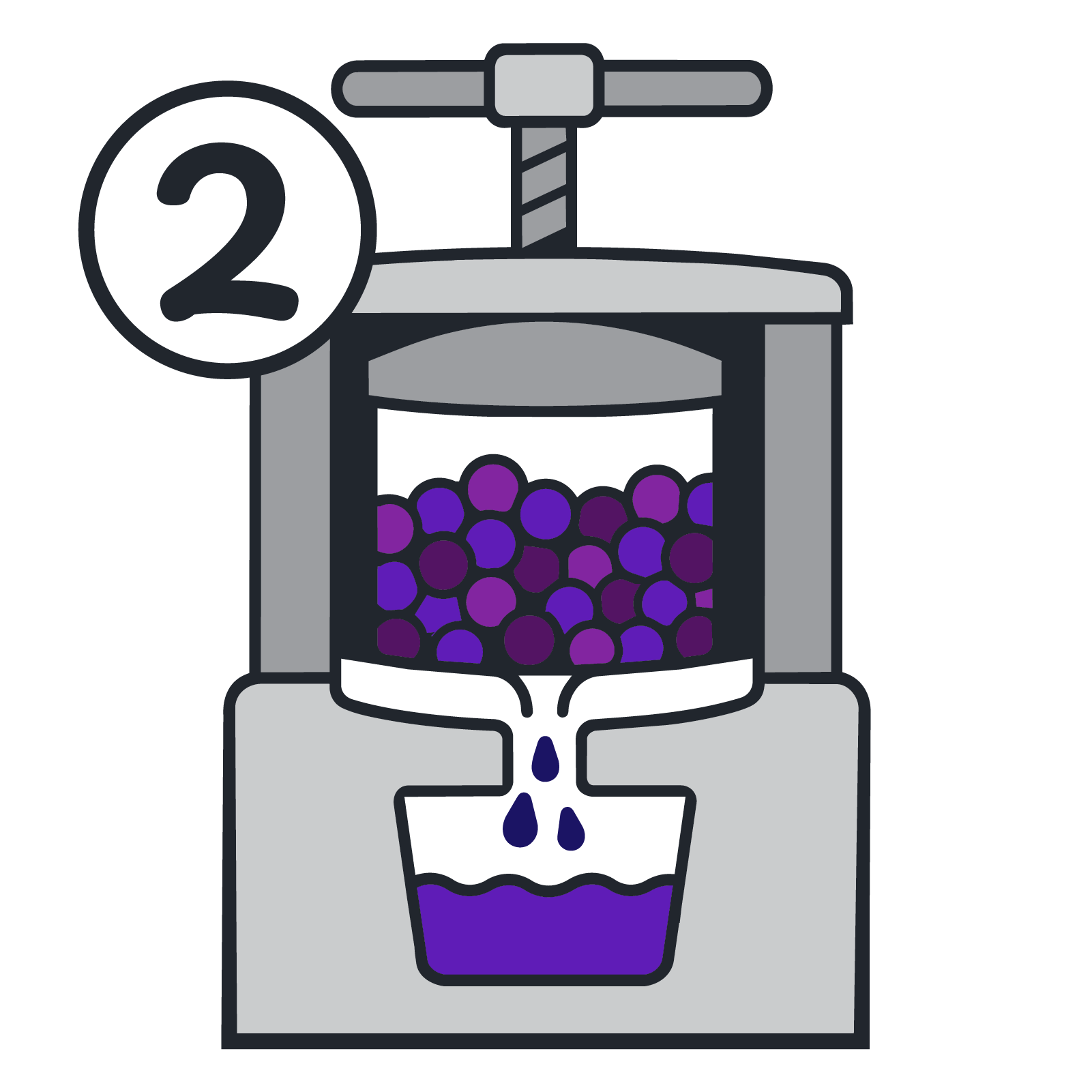
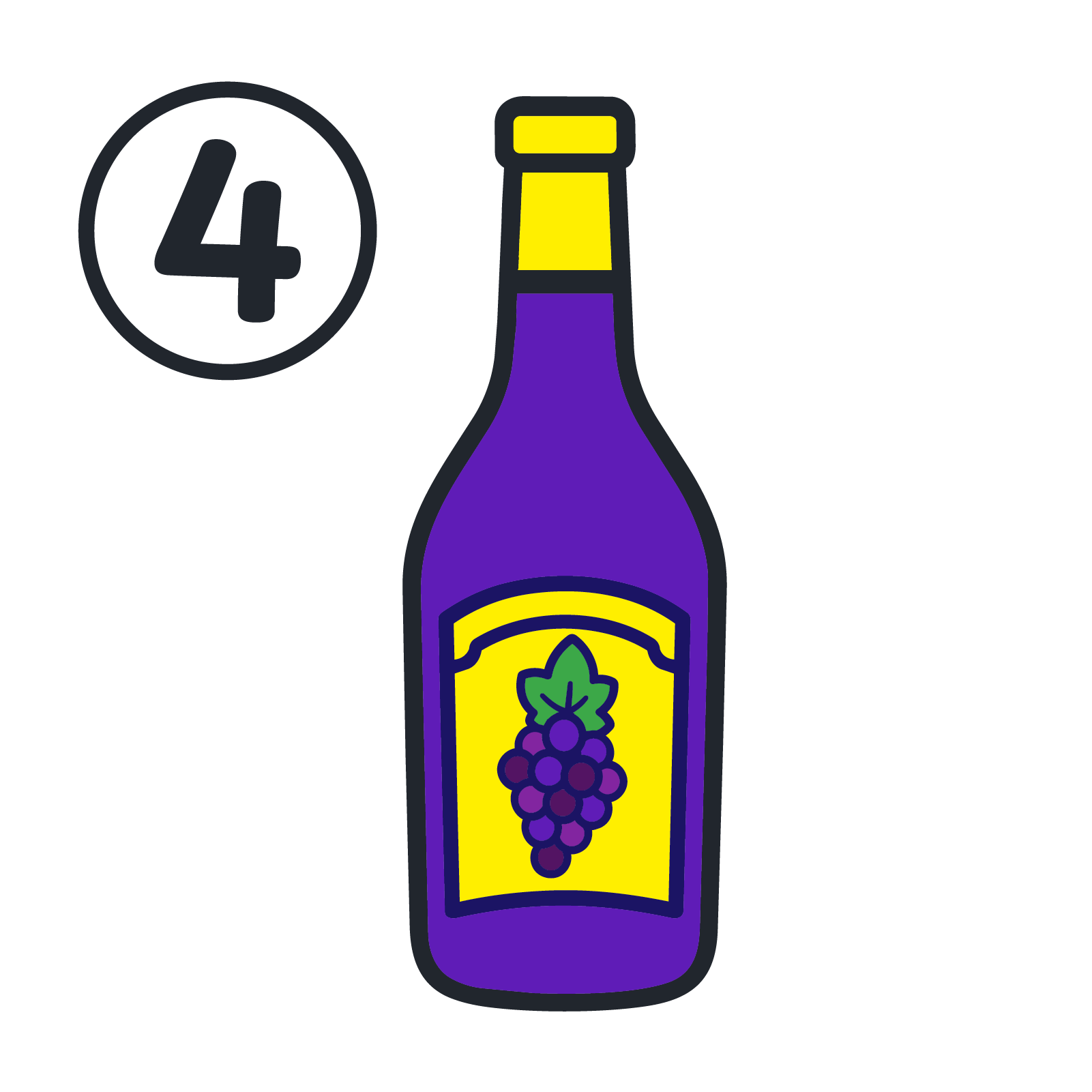
When crafting the perfect balsamic vinegar it all comes down to the way it’s produced. However, balsamic vinegar all starts the same. First it starts with picking the best grapes at the peak of freshness. From there the grapes are sorted and pressed down into a thick syrup. This syrup is cooked hours until it reduces to about one third in volume. After that the cooked grape must is transferred to a barrel that has a hand selected wine vinegar already inside. After mixing together, the barrel of balsamic vinegar sits in a climate controlled room for months or years until the preferred taste is achieved. The barrels all have an opening on the side that is covered with a cheese cloth, this allow moisture to escape during the aging process. Once the vinegar reaches its established time in the barrel it is then taste tested, approved and ultimately bottled and shipped across the globe.

Harvesting

Pressed & Cooked

Mixed & Aged

Packaged

Traditional vs. White Balsamic Vinegar

Balsamic vinegar and white balsamic vinegar begin with the same foundation: fresh Trebbiano grapes that are pressed into grape must. The primary difference lies in the production process. Traditional balsamic vinegar is cooked and aged until it develops its signature dark color, rich sweetness and complex flavor.

White balsamic vinegar is pressure cooked at lower temperatures to help prevent caramelization and preserve its light golden color. It is then aged for a shorter period, resulting in a milder flavor profile with bright acidity and subtle sweetness. While traditional balsamic is known for its bold, syrupy character, white balsamic offers a lighter alternative that enhances dishes without altering their appearance.

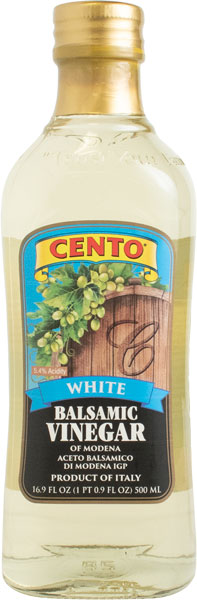
Cento White Balsamic Vinegar

White Balsamic Vinegar

White balsamic vinegar is especially popular when a recipe benefits from balsamic flavor without the dark color of traditional balsamic vinegar.

Great For:

  • Fresh Salads
  • Seafood & Fish
  • Roasted Vegetables
  • Chicken Dishes
  • Light Vinaigrettes
  • Cheese Boards
  • Fruit Salads
  • Marinades

When to Use Each

Feature Traditional Balsamic White Balsamic
Flavor Profile Rich, sweet, complex Light, crisp, slightly sweet
Color Dark brown Pale golden
Best For Glazes, marinades, finishing dishes Vinaigrettes, seafood, vegetables
Pairs Well With Steak, chicken, aged cheeses Fish, fresh cheeses, salads
Appearance in Dishes Adds rich color Maintains natural colors
Ideal Uses Caprese, grilled meats, reductions Green salads, roasted vegetables, fruit

Our Balsamic Vinegars

Nutrition Facts

Servings Per Container
Serving Size
Calories
% Daily Value*
Total Fat
Trans Fat
Saturated Fat
Polyunsaturated Fat
Monounsaturated Fat
Cholesterol
Sodium
Total Carbohydrate
Dietary Fiber
Total Sugars 0g
Includes Added Sugars
Protein
Vitamin D
Calcium
Iron
Potassium
INGREDIENTS:

Packaging, nutrition facts and ingredient statements are
subject to change. For the most up to date information
regarding a product, please refer to the product’s packaging.