Traditional Panettone & Pandoro Badge

Christmas Desserts of Italy

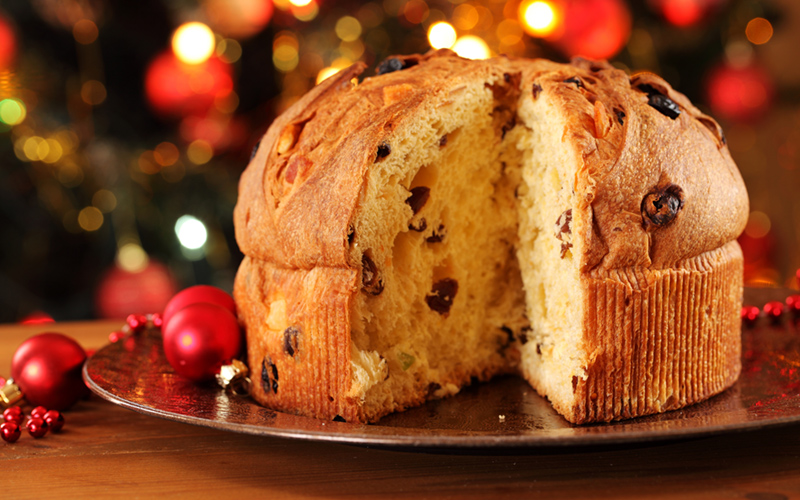
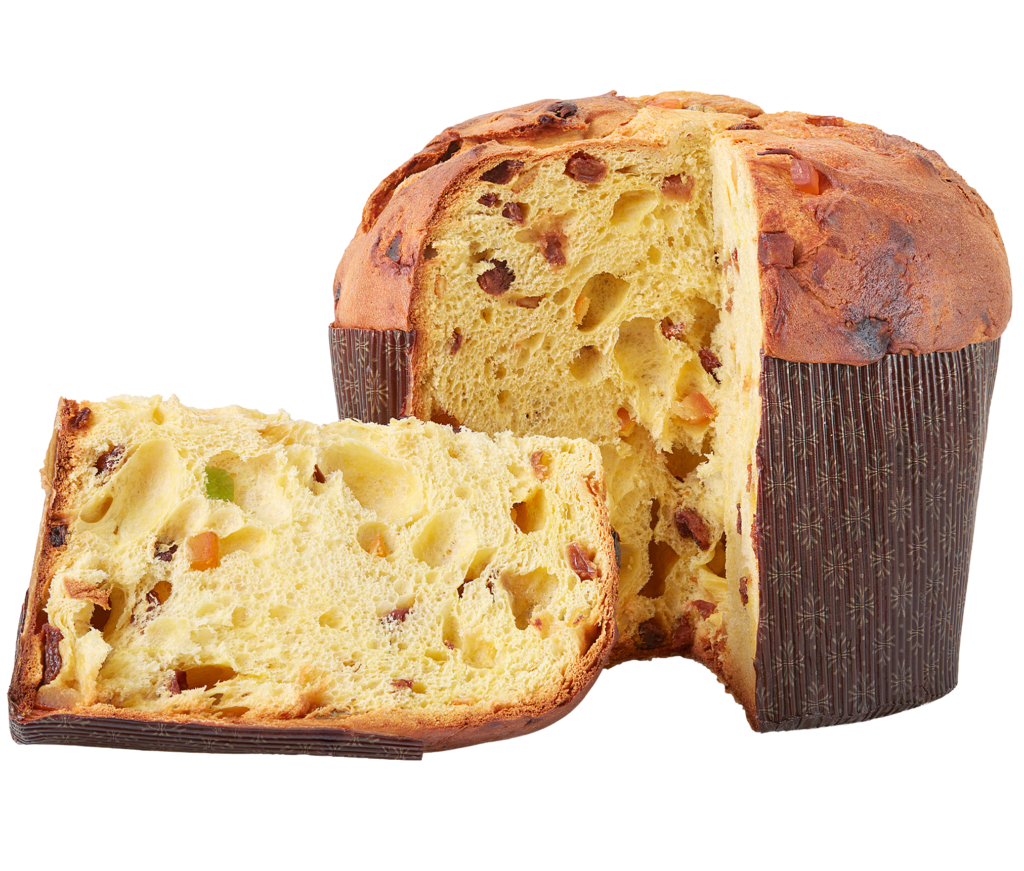
Panettone and Pandoro are two beloved holiday breads that have become synonymous with Christmas in Italy. Found on dessert tables throughout the country, these festive treats are enjoyed with family and friends during celebrations that span the entire holiday season. While both are rich, buttery sweet breads, they differ in texture, flavor, and tradition. Panettone is known for its tall dome shape and fruit-filled interior, while Pandoro is prized for its soft, airy texture and signature dusting of powdered sugar. Ask any Italian which is better and you’re likely to spark a friendly debate, but most would agree that Christmas simply wouldn’t be the same without them.

The History of Panettone

Panettone originated in Milan and dates back centuries to the Middle Ages. The tall domed bread became associated with Christmas because it was considered a luxurious version of everyday bread, enriched with butter, eggs, sugar, and dried fruit. Over time, panettone evolved into one of Italy’s most recognized culinary traditions.

Several legends surround the creation of panettone, including stories involving noble families and Milanese bakers, but all versions celebrate the bread as a symbol of generosity and celebration. Traditionally, panettone is made with a long fermentation process that creates its signature airy texture and delicate flavor.

Panettone

What Makes Panettone Unique?

La Florentine Panforte is a traditional Italian dessert similar to a fruitcake, best enjoyed in thin slices after dinner with a dessert wine or coffee. The cake has a unique flavor indigenous to the town of Siena in Tuscany (Tuscan Style) and although it is traditionally served as a holiday pastry, it can be enjoyed year round.

The History of Pandoro

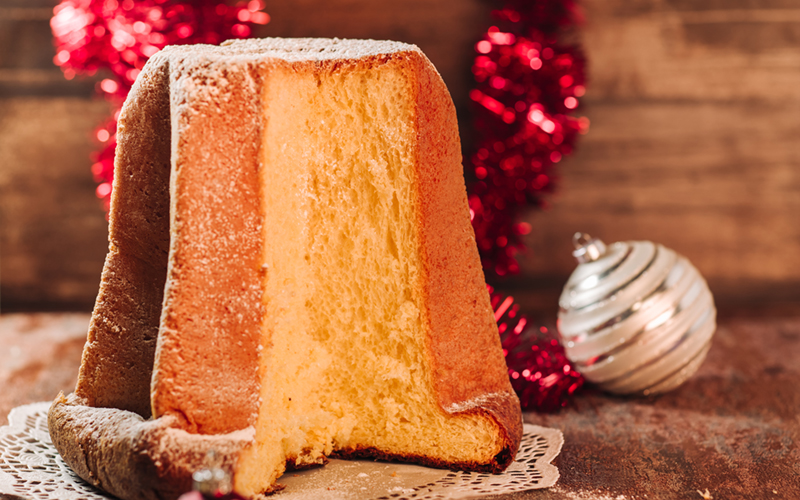
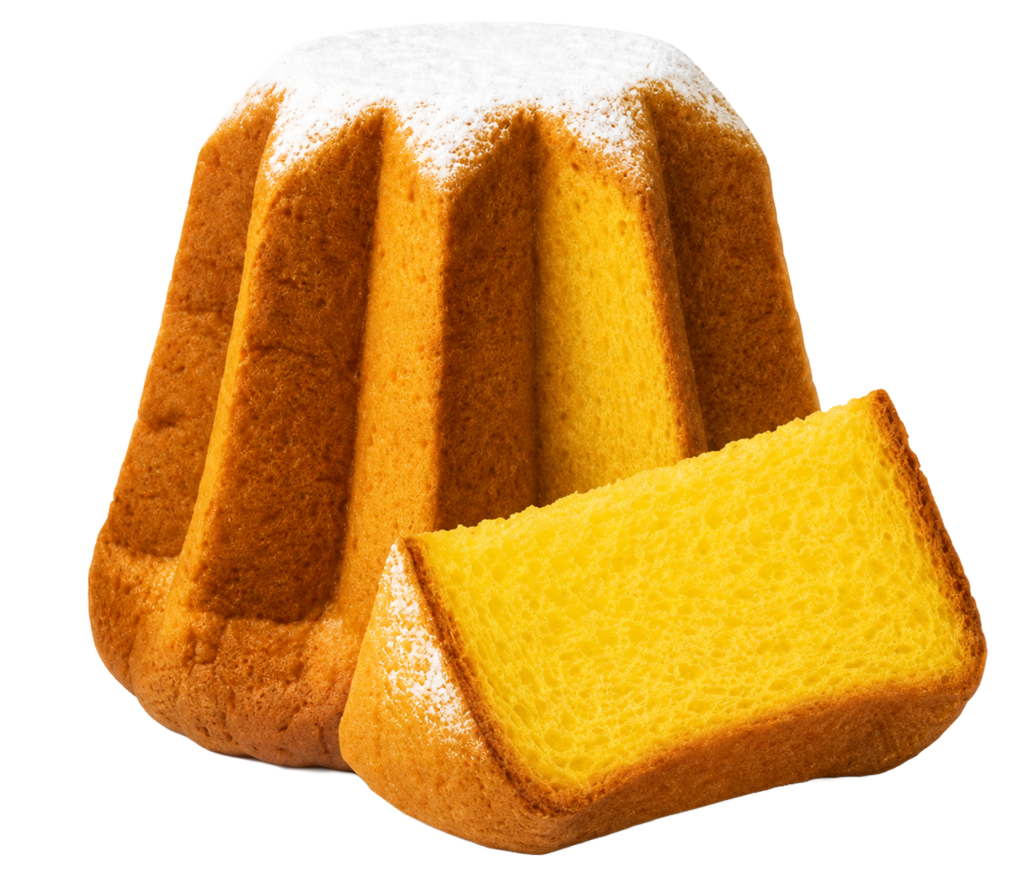
While panettone originated in Milan, pandoro comes from Verona in Northern Italy. The name pandoro means “golden bread,” referring to the rich golden color of the cake created by eggs and butter in the dough.

Pandoro as we know it today became popular in the late 1800s, though its roots trace back to older Venetian and Veronese sweet breads enjoyed by wealthy families. The modern recipe was refined to create a lighter, softer texture without the addition of dried fruit.

Its elegant star shaped design and snowy coating of powdered sugar have made pandoro a favorite centerpiece dessert during Christmas celebrations.

What Makes Pandoro Unique?

Unlike panettone, pandoro does not contain raisins or candied fruit. Instead, it focuses on a rich buttery flavor and an exceptionally soft, cake like texture. The bread is traditionally dusted heavily with powdered sugar, creating the appearance of snow covered mountain peaks during the holiday season.

Pandoro is often enjoyed plain, though it can also be served with chocolate sauce, mascarpone cream, whipped cream, berries, or sweet spreads. Its simplicity makes it especially versatile for desserts and holiday breakfasts.

Because of its soft texture, leftover pandoro is also commonly transformed into French toast, trifles, bread pudding, and layered desserts after the holidays.
Our Panettone & Pandoro

Nutrition Facts

Servings Per Container
Serving Size
Calories
% Daily Value*
Total Fat
Trans Fat
Saturated Fat
Polyunsaturated Fat
Monounsaturated Fat
Cholesterol
Sodium
Total Carbohydrate
Dietary Fiber
Total Sugars 0g
Includes Added Sugars
Protein
Vitamin D
Calcium
Iron
Potassium
INGREDIENTS:

Packaging, nutrition facts and ingredient statements are
subject to change. For the most up to date information
regarding a product, please refer to the product’s packaging.