Stock VS Broth Logo

What’s the Difference?

Stock and broth are essential kitchen staples that serve as the foundation for countless soups, sauces and comfort foods. While the two are often used interchangeably, they each bring unique qualities to cooking and can dramatically impact the flavor, texture and richness of a dish. Understanding the differences between stock and broth can help you choose the right ingredient for every recipe and elevate your cooking with deeper flavor and better results.

Both stock and broth are made by simmering ingredients in water, but the preparation methods and intended uses are what truly set them apart. From hearty gravies and slow cooked stews to light soups and risottos, each provides its own distinct culinary advantages.

Convenience Without Compromise

For added convenience, Cento stocks feature an innovative twist cap with a perforating aluminum safety seal that makes opening quick and effortless. There is no pull tab or inner seal to remove. Simply twist, pour and cook. As the cap is twisted, the tamper evident ring separates from the cap while the built in teeth puncture the aluminum seal beneath the lid, creating a smooth one step opening process designed for modern kitchens.

For consumer convenience, Cento stocks come with a twist-cap perforating aluminum safety seal. A one-step process to opening your new stock, there is no longer a tab to pull or cut under the cap! Simply unscrew and pour. By twisting the cap, the tamper evidence ring will break away from the cap, producing a click sound, and the teeth under the lid will break the inner aluminum safety seal.

Safety Seal

What Is Stock?

Stock is traditionally made by simmering bones, vegetables and aromatics over a longer period of time to extract rich flavor, collagen and body. Because bones contain natural gelatin, stock develops a thicker texture and fuller mouthfeel that adds depth and richness to recipes.

Unlike broth, stock is usually left lightly seasoned or unseasoned because it is commonly used as a cooking foundation rather than served on its own. Its concentrated flavor and hearty texture make it ideal for sauces, gravies, braised dishes and slow cooked recipes that benefit from a richer base.

Stocks are especially valued for their ability to create luxurious textures in soups and sauces while enhancing savory flavors throughout a dish. Whether used in stews, pan sauces or reductions, stock provides the structure and depth that many classic recipes rely on.

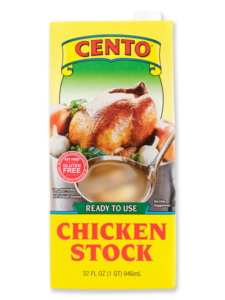
Cento Chicken Stock​​

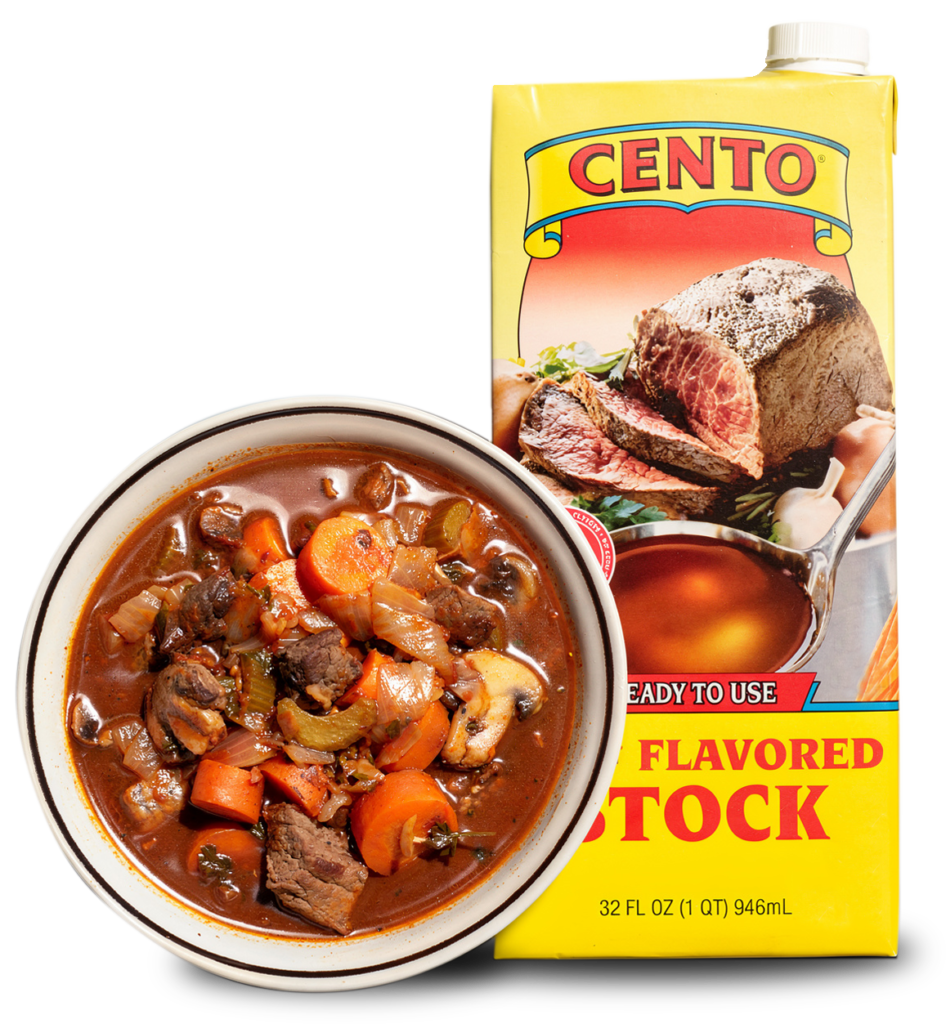
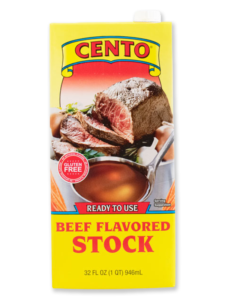
Cento Beef Stock

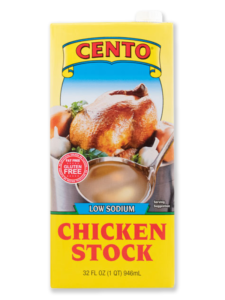
Cento Low Sodium Chicken Stock​​

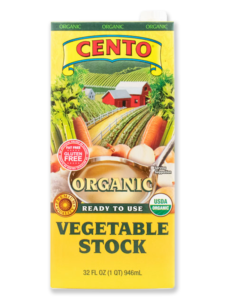
Cento Organic Vegetable Stock​​​

What Is Broth?

Broth is typically made by simmering meat along with vegetables, herbs and seasonings for a shorter amount of time. The result is a lighter, more flavorful liquid that is fully seasoned and ready to enjoy on its own or as part of a finished recipe.

Because broth is cooked for less time, it has a cleaner, more delicate texture compared to stock. Its balanced flavor makes it perfect for soups, risottos, light sauces and quick everyday meals. Broth is also commonly enjoyed as a warm comforting beverage thanks to its savory and aromatic qualities.

While stock focuses more on body and richness, broth delivers immediate flavor and versatility. Both have an important place in the kitchen, and choosing the right one depends on the final result you want to achieve in your cooking.

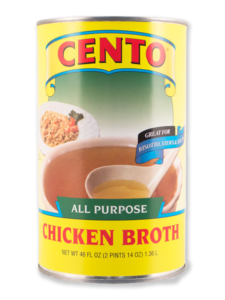
Cento All Purpose Chicken Broth

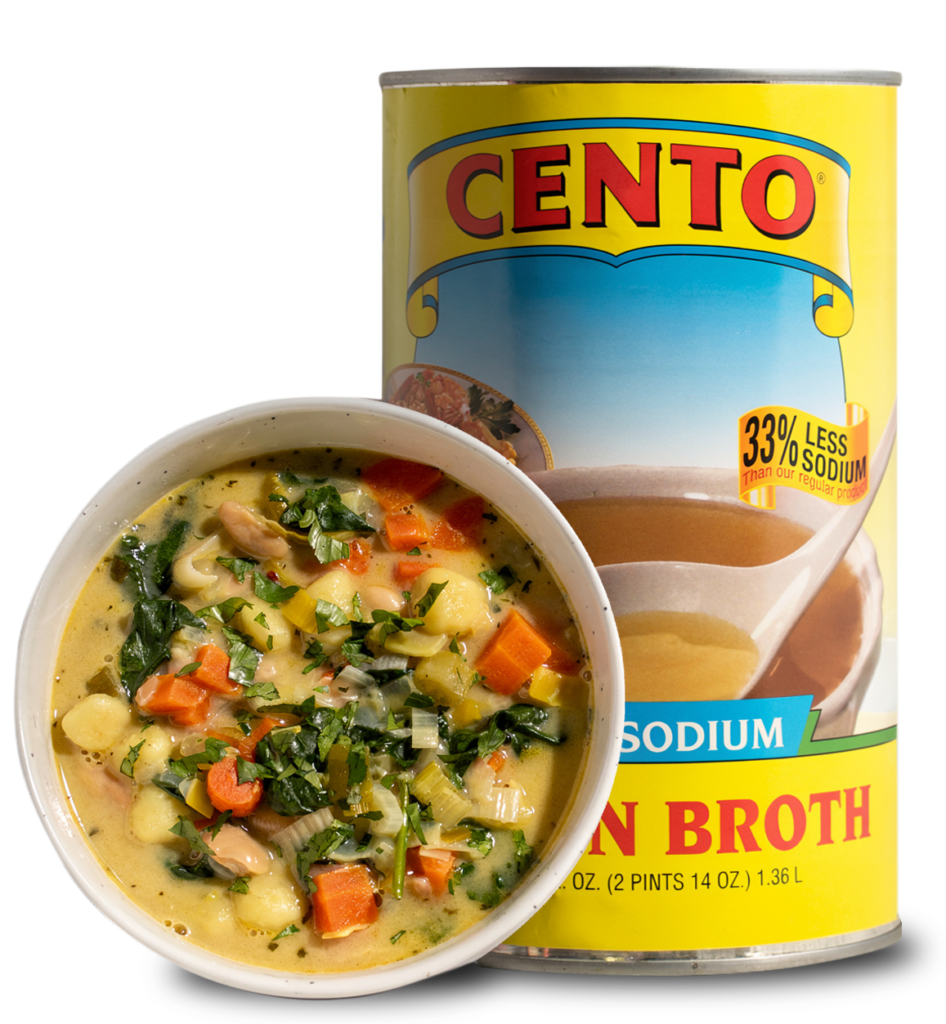
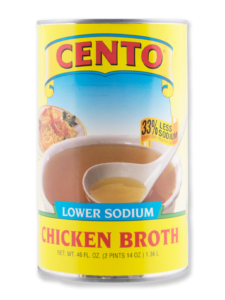
Cento Lower Sodium Chicken Broth​​​

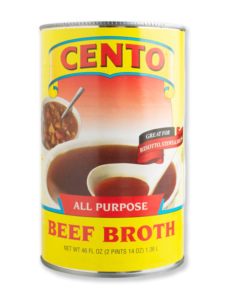
Cento All Purpose Beef Broth​​​

Which One Should You Use?

Choosing between stock and broth depends on the type of dish you are preparing. If you are looking for a rich base with deeper texture and body, stock is often the better choice for sauces, gravies and slow simmered dishes. If you want a lighter, ready to use liquid with more seasoning and immediate flavor, broth is ideal for soups, rice dishes and simple everyday recipes.

Having both on hand allows you to build layers of flavor and create meals with greater depth and balance. Whether you are preparing hearty comfort foods or lighter homemade dishes, Cento Stocks and Broths provide dependable quality and authentic flavor for every kitchen.

Nutrition Facts

Servings Per Container
Serving Size
Calories
% Daily Value*
Total Fat
Trans Fat
Saturated Fat
Polyunsaturated Fat
Monounsaturated Fat
Cholesterol
Sodium
Total Carbohydrate
Dietary Fiber
Total Sugars 0g
Includes Added Sugars
Protein
Vitamin D
Calcium
Iron
Potassium
INGREDIENTS:

Packaging, nutrition facts and ingredient statements are
subject to change. For the most up to date information
regarding a product, please refer to the product’s packaging.