Pasta Cuts Logo

Why Are There So Many Pasta Cuts?​​

When it comes to pasta, every cut is meant for a different purpose. Whether you are using it as a main dish or as a side in a soup or salad, each holds sauce differently. We’ve developed a guide which explains what kind of pasta pairs best with what kind of sauce.

Prepping the Pasta​

Before cooking your pasta, a little preparation goes a long way in setting up the final dish for success. Start by choosing the right type of pasta for your sauce, as different shapes are designed to carry flavors in unique ways. Measure your pasta based on servings and avoid overcrowding the pot, which can lead to uneven cooking. If using long noodles like spaghetti or linguine, allow them to soften naturally into the water rather than forcing them to break. For filled or delicate pastas, handle gently to maintain their shape. Taking a moment to prep properly ensures your pasta cooks evenly and delivers the best texture and flavor in every bite.

Cooking Pasta​

When cooking pasta, there is no set time. Each pasta cooks at a different time and fresh pasta cooks faster than dried. Make sure you have a pot big enough so the pasta can flow freely while being cooked. When draining your pasta, keep some of the pasta water saved to the side so you can moisten your pasta if needed later on.

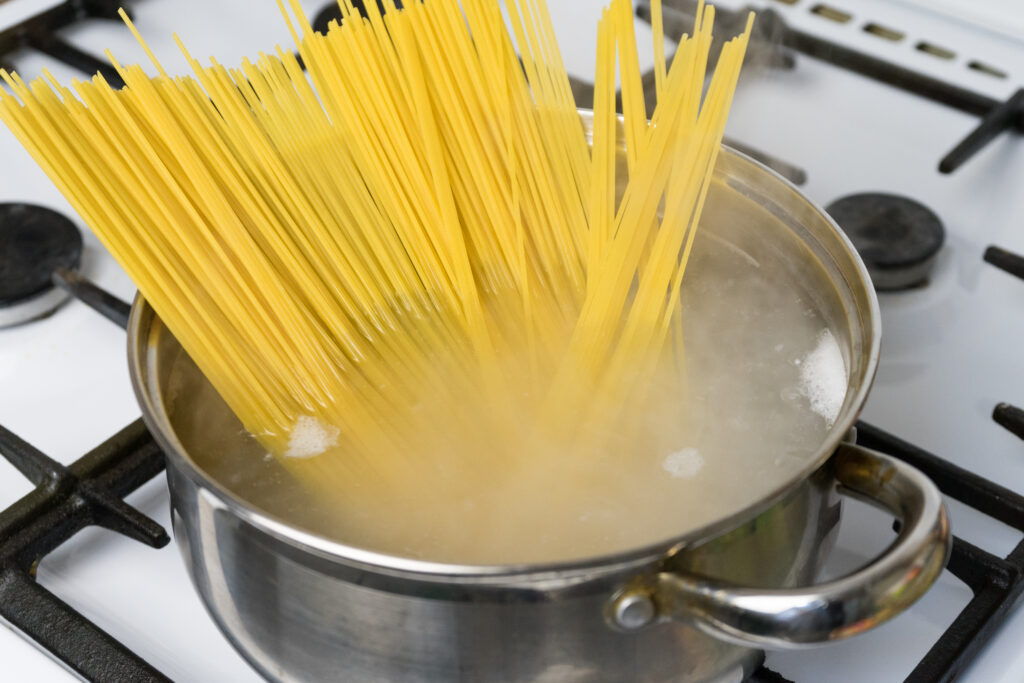
Pasta in a pot of boiling water

Salting the Water

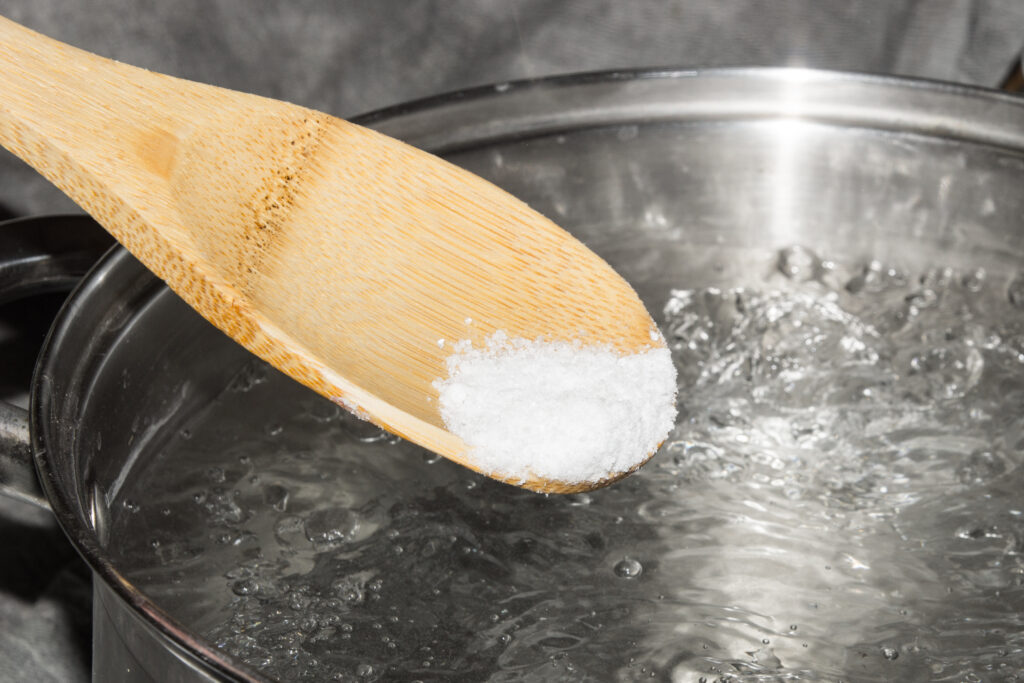
Salting pasta can seem like a simple thing to do but is a crucial part to making or breaking your pasta dish. If you add too much salt you risk oversalting your dish but if you under salt, you are at risk of losing key flavors. General rule of thumb is to add about 2 teaspoons of salt per quart of water.

Salting water

Sauce Can Make The Difference

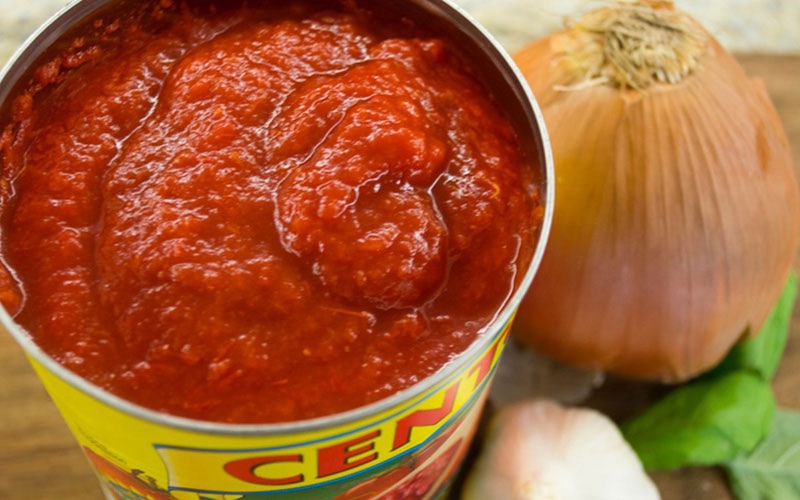
Pasta sauce comes in a variety of thickness each for a different purpose. Most sauces can be broken down into just a few categories.

  • Thick Sauces
  • Thin Sauces
  • Hearty Sauces
  • Creamy Sauces
  • Meaty Sauces

Top 8 Pasta Cuts You Need to Know

From long cuts that wrap and cling to silky sauces, to ribbons that carry richness and texture, each category highlights a different way pasta interacts with flavor. Shells and tubular cuts are designed to trap sauce inside their curves and hollow centers, while spiral cuts twist and grip every drop. Stuffed pastas showcase pasta as both vessel and filling, mini and soup cuts add comfort and balance to brothy dishes, and unique shapes bring playful texture and visual appeal to the plate. Together, these categories offer a clear, approachable guide to choosing the right pasta for any dish.

Long Cut

Pairs great with: Thin Sauces

Long pasta is perfect for thin sauces, the long thin cuts of pasta make it perfect for any quick and delicious meal. Think of spaghetti and linguine, this group goes well with tomato sauce and basil.

Most common:

  • Bucatini
  • Capelli d’angelo
  • Fettuccine
  • Linguine
  • Linguine Fini
  • Spaghetti
  • Spaghettini
  • Perciatelli.
Long Cuts

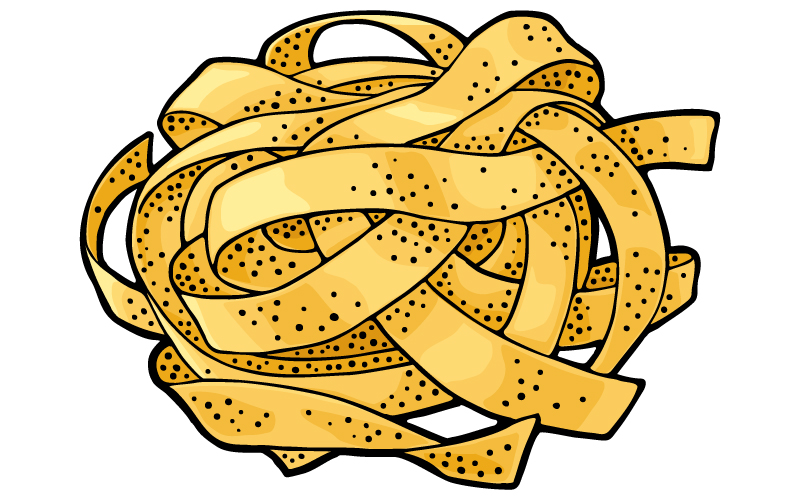
Ribbons

Pairs great with: Meat & Heavy Sauces

Wide ribbon shaped pasta cuts go perfect with meaty, heavy sauces. This cut holds the flavor of the sauces very well.

Most common:

  • Casarecce
  • Fazzoletti
  • Lasagne
  • Mafaldine
  • Pappardelle
  • Pizzocheri
  • Reginette
  • Tagliatelle
Ribbons

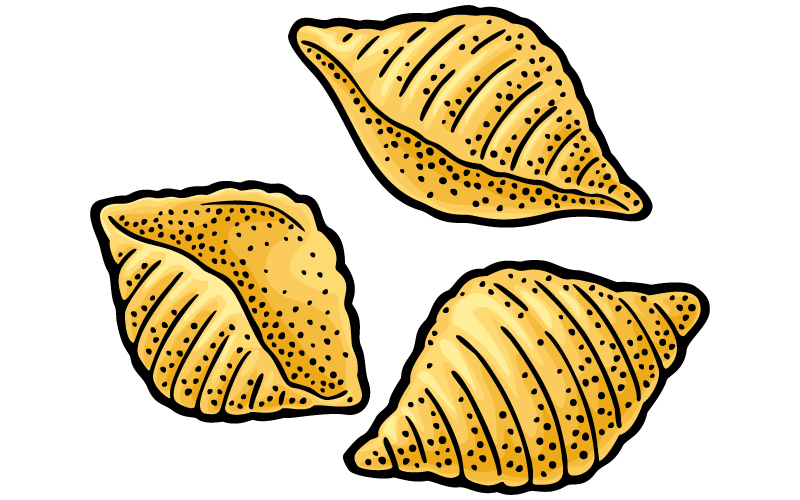
Shells

Pairs great with: Creamy & Thick Sauces

Shell pasta gets its name from its seashell shape. They are perfect for heavier sauces and are commonly found in baked dishes.

Most common:

  • Baby Shells
  • Conchiglie
  • Gnocchi Shells
  • Jumbo Shells
  • Shells
Shells

Mini & Soup Cuts

Pairs great with: Hearty & Thin Sauces

Mini pasta is also known as ‘soup pasta’ and is great for hot dishes. They are perfect to add to soups to give them a nice flavor and the right consistency. 

Most common:

  • Acini di Pepe
  • Anellini
  • Ditali
  • Farfalline
  • Orzo
  • Pastina
  • Siciliani
  • Tubetti
Mini + Soup Cuts

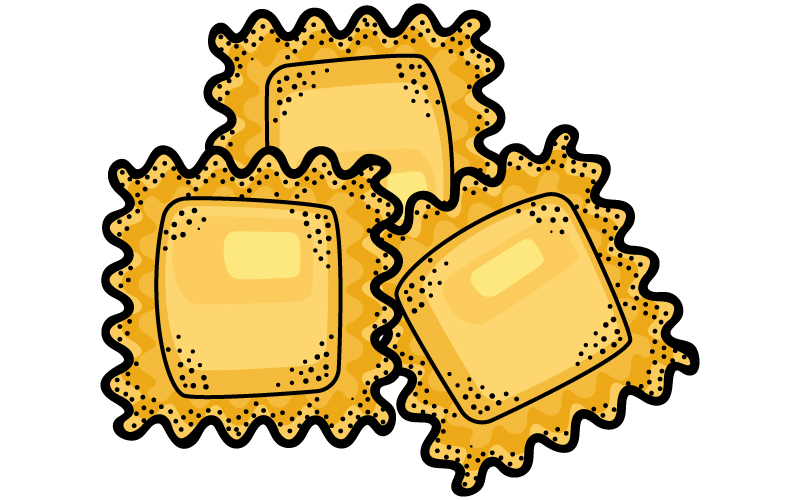
Stuffed​

Pairs great with: Creamy & Thick Sauces

Stuffed pasta is dough that is formed to have fillings or no fillings. Most can be filled with meats, vegetables, fish, cheese, or even fruits.

Most common:

  • Agnolotti
  • Canederli
  • Cappelletti
  • Gnocchi,
  • Gnudi
  • Malfatti
  • Pansotti
  • Ravioli
Stuffed

Spiral Cuts

Pairs great with: Thin Sauces

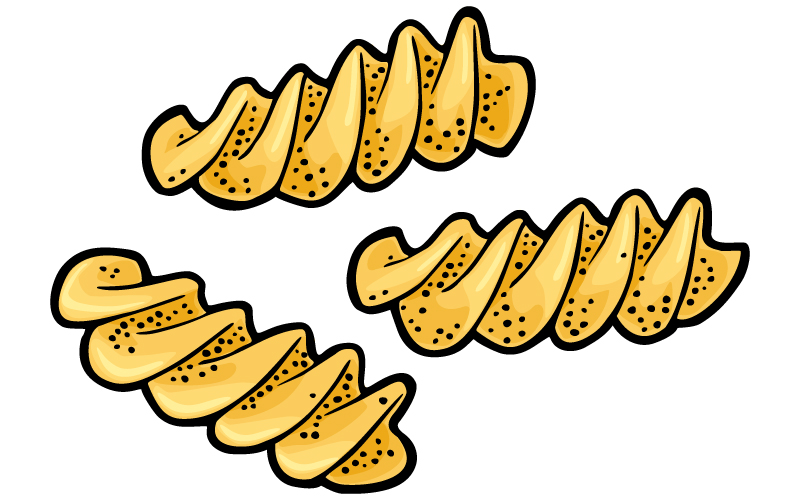
Spiral pasta is pasta with a twist. The corkscrew spiral pasta makes it perfect for locking in flavor and is great for baked and salad pasta dishes.

Most common:

  • Busiati
  • Fusilli
  • Fusilli Corti col Buco
  • Gemelli
  • Rotini
  • Spaccatelle

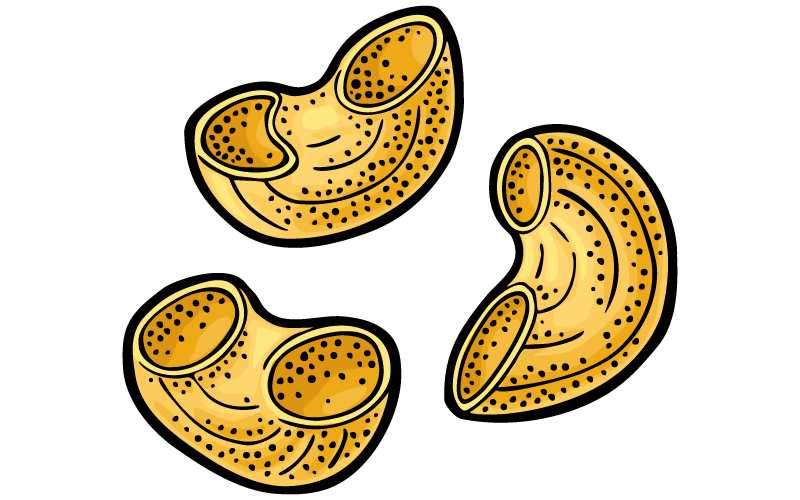
Tubular Cuts

Pairs great with: Heavy Sauces

Tubular pasta is any pasta that is shaped in a tube. They can come in any shape and size as long as they have a hollow center.

Most common:

  • Calamari
  • Cavatappi
  • Elbows
  • Elicoidali
  • Manicotti
  • Penne
  • Rigatoni
  • Ziti
Tubular Cuts​

Unique Shapes

Pairs great with: Thin Sauces

Pasta can come in all shapes and sizes. The pasta shapes that don’t fit the standard shape criteria, fall into the ‘unique shapes’ category. These shapes can be used to make a fun dinner for the family with shapes like wheels, bowties, and twists.

Most common:

  • Casarecce
  • Corzetto
  • Farfalle
  • Orecchiette
  • Linguine
  • Radiatori
  • Rotelle
  • Trofie
  • Torchio
Tubular Cuts​

Our Pasta

Nutrition Facts

Servings Per Container
Serving Size
Calories
% Daily Value*
Total Fat
Trans Fat
Saturated Fat
Polyunsaturated Fat
Monounsaturated Fat
Cholesterol
Sodium
Total Carbohydrate
Dietary Fiber
Total Sugars 0g
Includes Added Sugars
Protein
Vitamin D
Calcium
Iron
Potassium
INGREDIENTS:

Packaging, nutrition facts and ingredient statements are
subject to change. For the most up to date information
regarding a product, please refer to the product’s packaging.