A primary component of Italian cuisine, olive oil is one of the most versatile and essential ingredients in the world of cooking and provides a variety of health benefits when used in place of saturated fats in your diet. Olive oil is one of the few cooking oils produced through natural extraction instead of chemical extraction, which protects the oil’s nutrients. Extra virgin olive oil offers additional health benefits that decrease the body’s risk of heart disease, diabetes, stroke, cancer and more. Learn more about the difference between extra virgin and classic olive oil below.
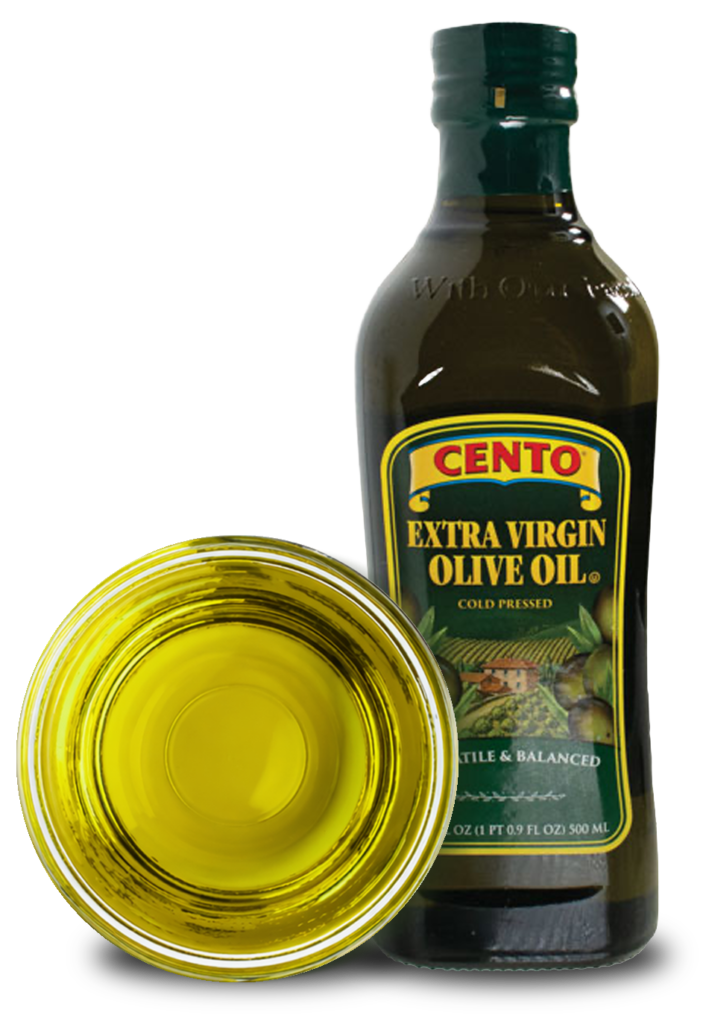
Extra virgin olive oil provides the richest olive flavor and the most health benefits in regard to cooking oils. This oil comes from the first pressing of the olives from a process called “first cold press”. The first cold press process preserves the natural antioxidants and monosaturated fats that promote healthy cholesterol levels. Extra virgin is the most flavorful olive oil, with an unlimited range of flavors spanning from smooth and subtle to peppery and pungent; this oil is best used for finishing dishes, dressings, marinades and grilling. Finishing your dish with a drizzle of extra virgin olive oil can enhance the texture, flavor and aroma of food. More intense tasting oils pair well with stronger ingredients such as red meat and heartier grains, while fruitier oils pair well with delicate foods such as white fish and vegetables. Additional uses:
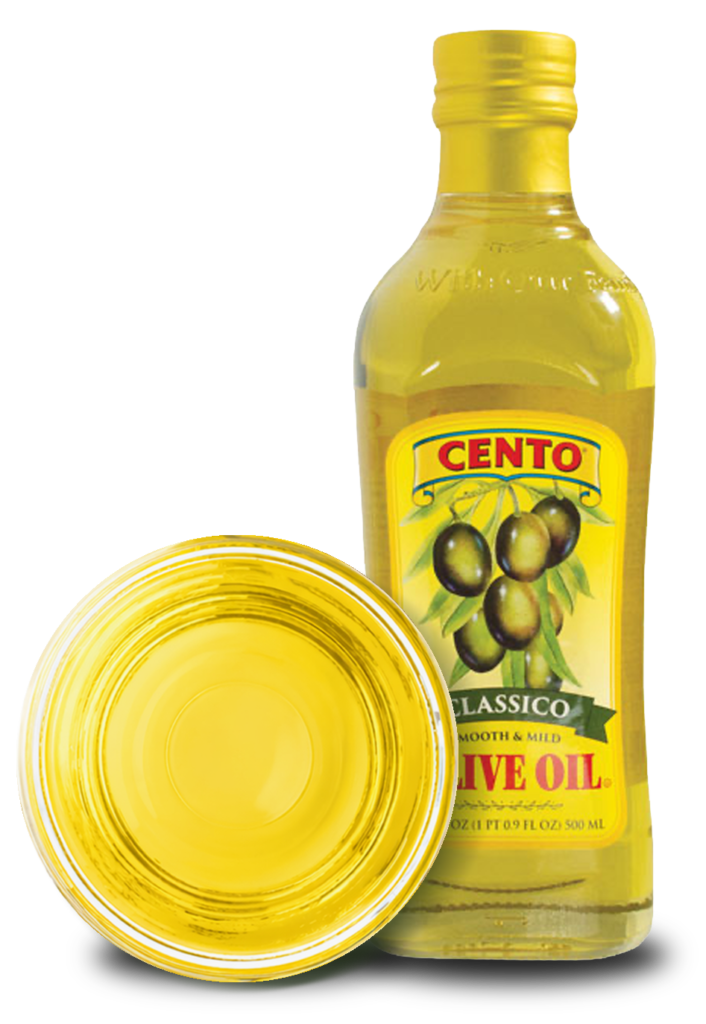
Classic olive oil has the same health-promoting monosaturated fats as extra virgin olive oil but doesn’t contain the same antioxidants because it isn’t made from the first cold press process; the heat used in extraction for pure olive oil disperses the antioxidants. It also has a milder flavor with a hint of fruitiness and a lighter color than extra virgin olive oil. This oil is best used as an everyday cooking oil for sautéing, grilling, roasting, frying and baking, or as a good base for spice-infused dressings and hearty sauces because of the subtle flavor. Additional uses:
When storing your olive oil, keep in mind that the three key factors that will ruin olive oil are heat, light and air. To store olive oil, ensure it is kept in a cool, dark place such as a cupboard or pantry. Never store your olive oil next to or above the stove, or in the refrigerator. Make sure the bottle is securely closed because if left open, air exposure leads to oxidation which can turn your oil rancid. Don’t store permanently on the table or kitchen windowsill, as the light will ruin the oil as well. When unopened and stored following proper recommendations, olive oil’s shelf life is 2 years. Once opened and stored following proper recommendations, the shelf life is 6 to 9 months.
Packaging, nutrition facts and ingredient statements are
subject to change. For the most up to date information
regarding a product, please refer to the product’s packaging.