Why Anchovies? Logo

Anchovies, What Are They?​

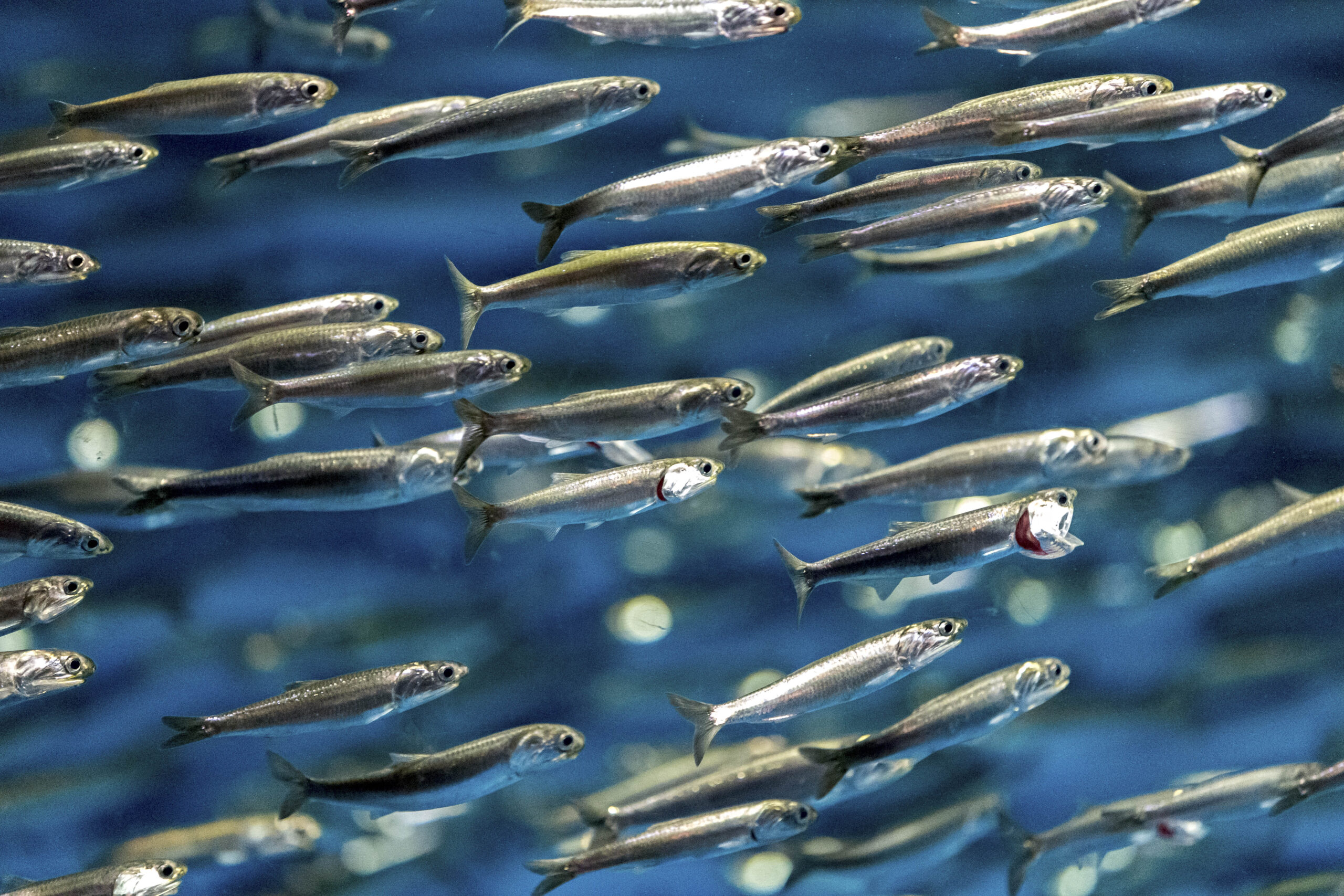
Anchovies are small saltwater fish belonging to the Engraulidae family with around 140 different species. They measure 5-6 inches in length, have silver-colored scales and are known for their use in many cuisines worldwide. Anchovies are used to add flavor to dishes such as pizza, pasta sauces, and salads. They are an essential part of the marine ecosystem as they are a common prey for larger marine animals and birds, and are also used as a bait for commercial fishing. Anchovies are typically found in saltwater environments such as the Mediterranean, Black Sea, and Pacific Ocean.

Use & Taste

Anchovies are often used as an ingredient in many dishes to add a salty and savory flavor. They are popular in Mediterranean cuisine, where they are used to make sauces, dressings, and spreads, such as tapenade. They are also commonly used as a pizza topping or in pasta dishes like puttanesca.

Anchovies have a unique taste that can be difficult to describe, but is often described as “umami”, which is a savory, earthy flavor that is not very fishy. Due to their delicate nature, anchovies can “melt” into sauces, adding a salty punch of flavor that is not overpowering.

While anchovies can be high in sodium, they are also a good source of omega-3 fatty acids, which have been linked to several health benefits, including reducing inflammation and improving heart health. Because of their nutritional value and unique taste, anchovies can be a versatile and flavorful addition to many dishes. 

Anchovies

The Process

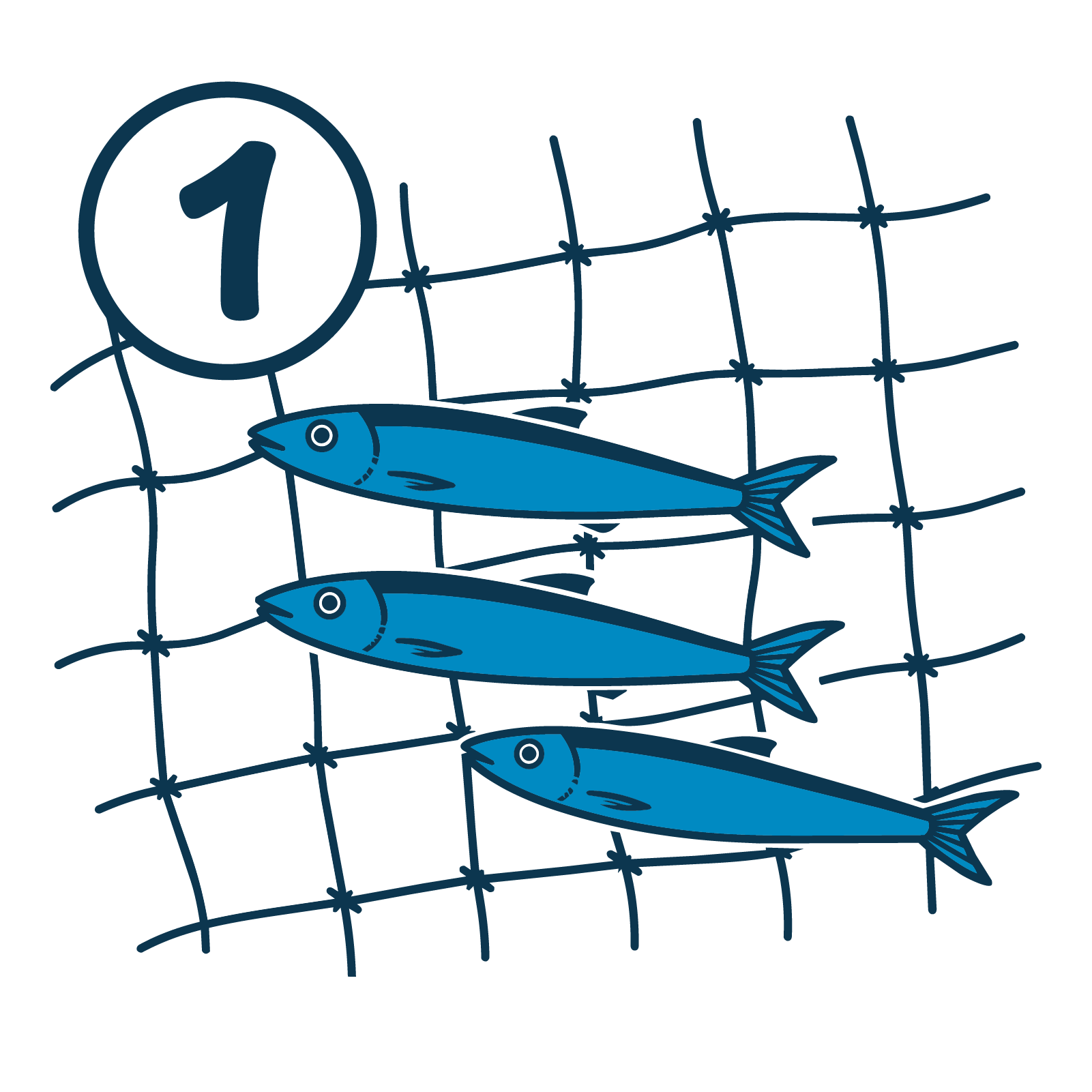
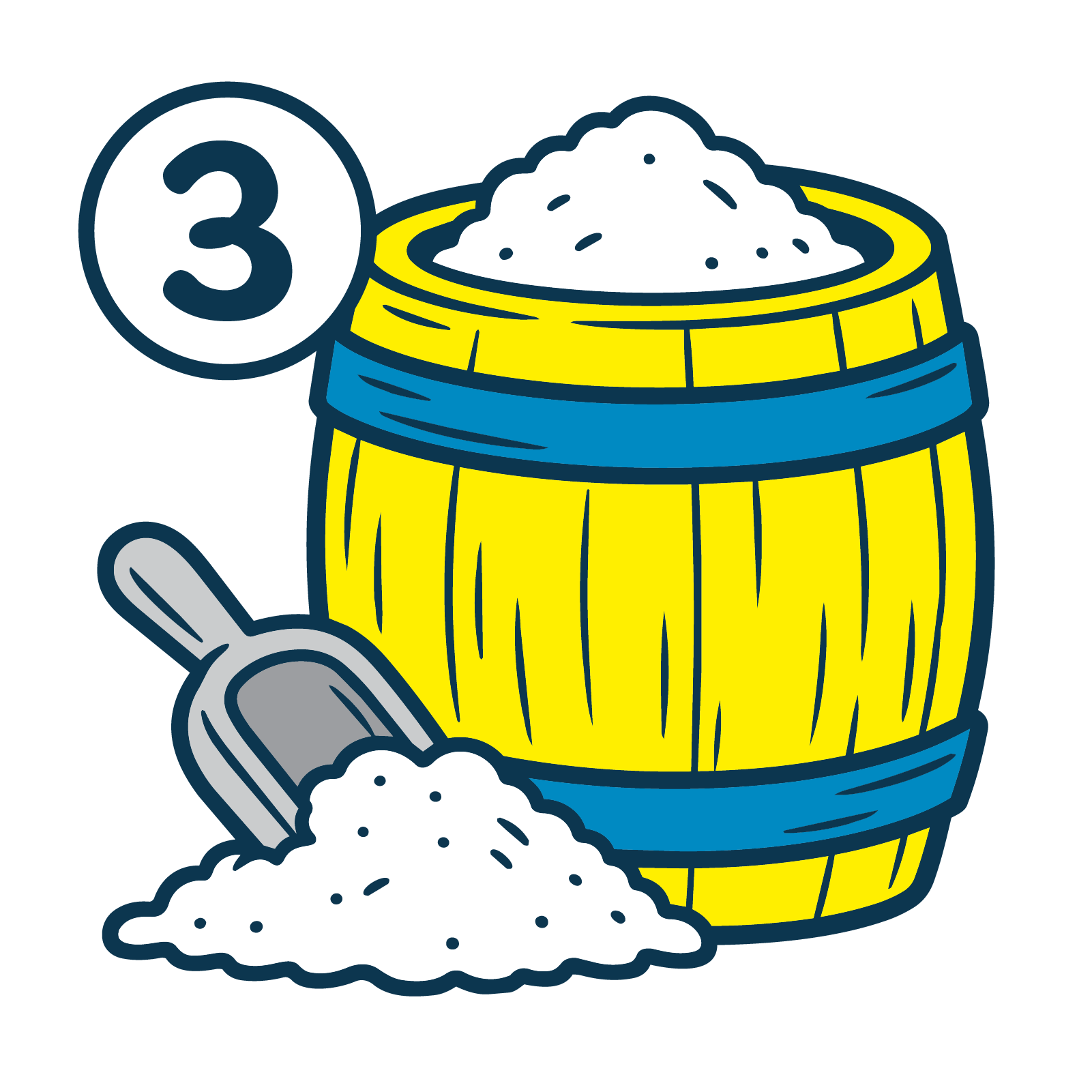
Anchovy processing methods have remained relatively unchanged for centuries. Once caught, the fish are quickly beheaded and cleaned by hand. These fillets are then carefully layered in drums or barrels with sea salt to create a brine that removes moisture and preserves the fish. The brining process can take anywhere from three to twelve months, depending on the desired flavor profile.

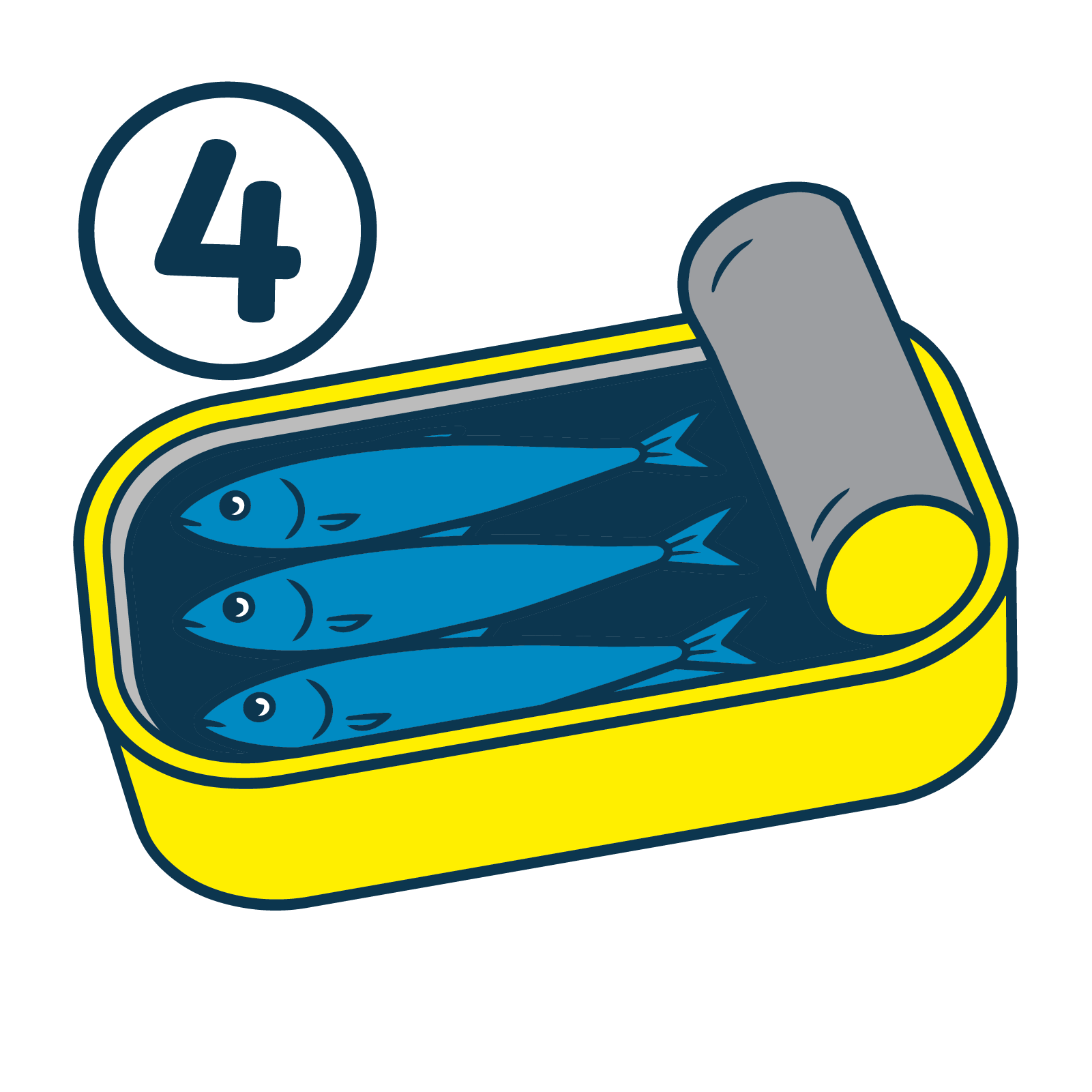
After the brining process, excess salt is washed off, and the fillets are processed once again, with any remaining bones and skin removed by hand. At this point, the fillets are nearly finished and are ready for packing in olive oil and tinning. This results in the colorful tins of anchovies that are commonly found in grocery stores.

Although the processing methods have remained largely the same over the years, modern technology has made the process more efficient and streamlined. However, the traditional process of hand-cleaning and brining the fish remains an integral part of producing high-quality anchovies.

Anchovies in Net

Caught & Sorted

Brush

Beheaded & Cleaned

barrel with salt

Barreled & Salted

anchovies in tin

Packaged

Checkout Our Anchovy Collection

Nutrition Facts

Servings Per Container
Serving Size
Calories
% Daily Value*
Total Fat
Trans Fat
Saturated Fat
Polyunsaturated Fat
Monounsaturated Fat
Cholesterol
Sodium
Total Carbohydrate
Dietary Fiber
Total Sugars 0g
Includes Added Sugars
Protein
Vitamin D
Calcium
Iron
Potassium
INGREDIENTS:

Packaging, nutrition facts and ingredient statements are
subject to change. For the most up to date information
regarding a product, please refer to the product’s packaging.