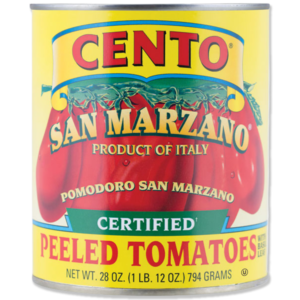
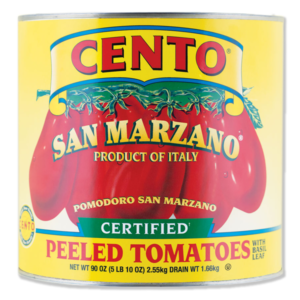
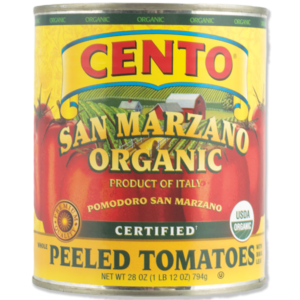
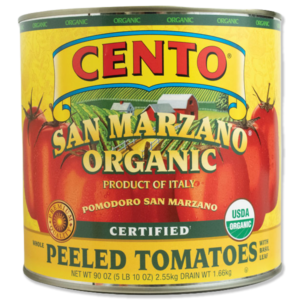
Not every tomato labeled San Marzano meets the same standard. True Certified San Marzano Tomatoes must follow strict requirements that govern where they are grown, how they are harvested, and how they are processed. These guidelines help protect the authenticity of one of Italy’s most celebrated ingredients and give consumers confidence that they are purchasing a genuine product.
At Cento, certification is more than a label. It represents a commitment to transparency, quality, and tradition from seed to can. By carefully monitoring each step of the process, Cento helps ensure that every certified tomato reflects the flavor, integrity, and standards associated with authentic San Marzano tomatoes.

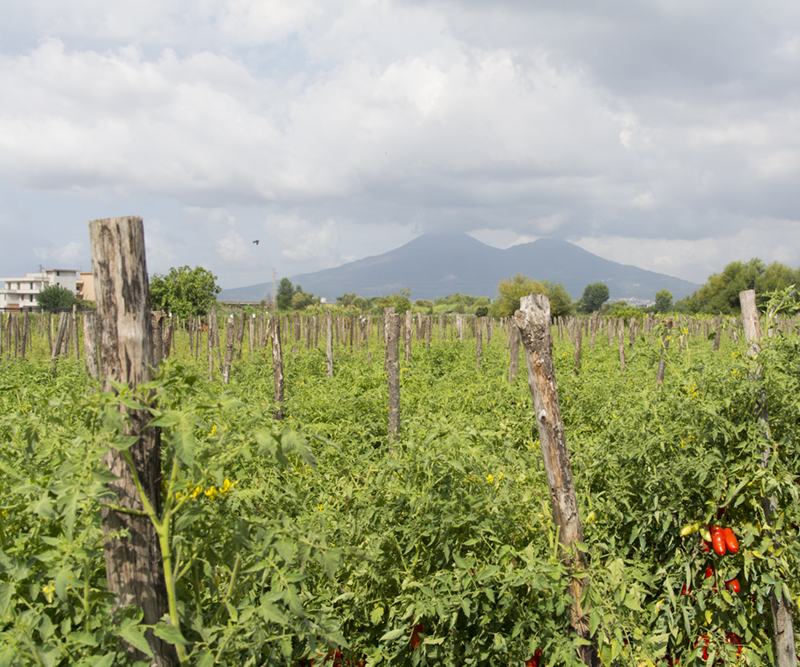
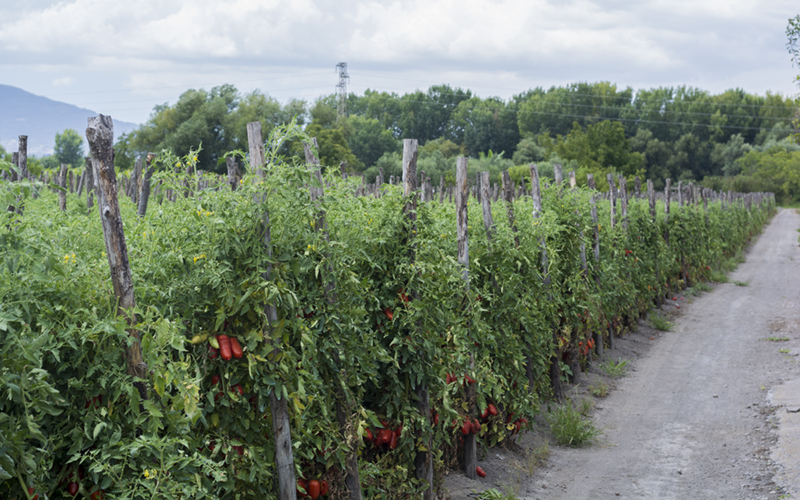
The Cento production plant is located in the San Marzano region in Campania, Italy, approximately 22 miles southeast of the town of Naples. The plant sits in the shadow of Mount Vesuvius, renowned for its fertile soil and temperate climate. The close proximity of the plant to the local farmer’s San Marzano plantings allow for the hand-picked crop to be delivered within hours of selection.
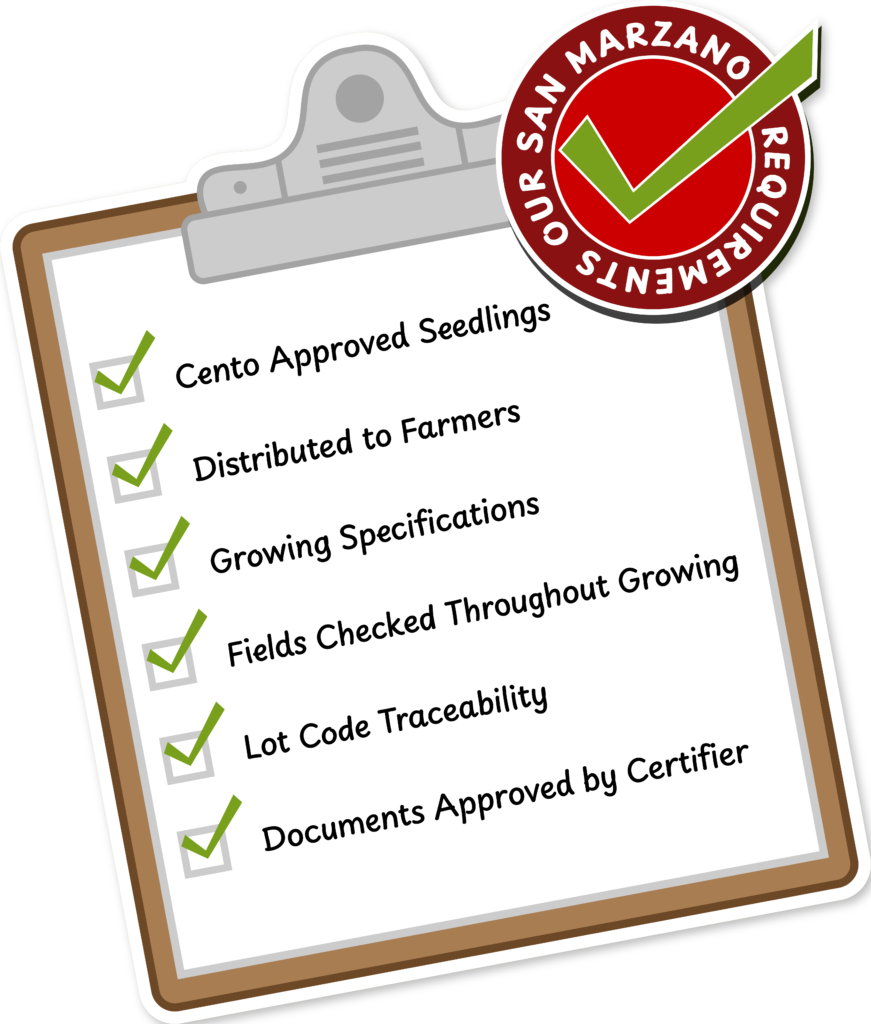
San Marzano tomatoes have a strict set of rules and guidelines to follow from harvesting to packing, ensuring consistency and superior quality. Some of these rules and guidelines include:
Cento Fine Foods recognizes the importance of providing only premium quality authentic Italian products, so we take these guidelines to the next level with our own proprietary set of standards and processes. Cento Fine Foods is the only United States brand with its own facility in the Sarnese Nocerino area of Italy. This ensures that we can monitor and control all steps of the harvesting, planting, growing, picking and packaging processes.
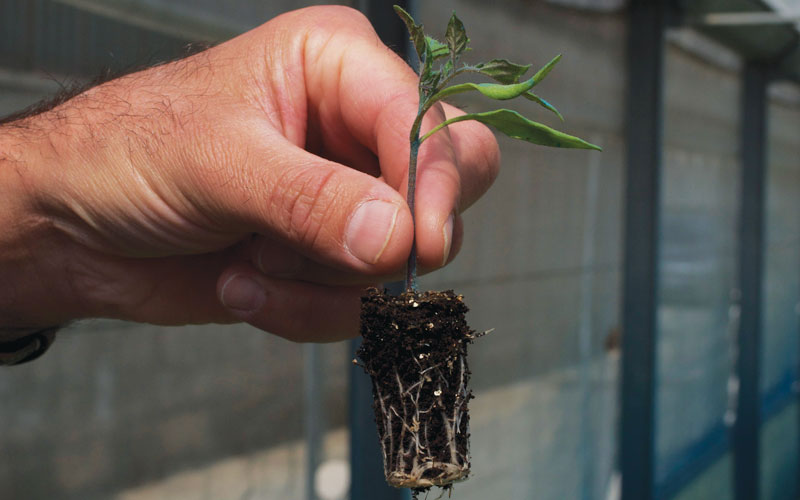
Cento Certified San Marzano Tomatoes begin with the seed selection. Prior to each growing season, we carefully select our farms and distribute our seeds to select farmers. Our commitment to sustainability requires each of our farms to practice crop rotation, which helps the land remain fertile by not using the same key nutrients each growing season, reduces soil erosion, improves soil stability and increases crop fertility.
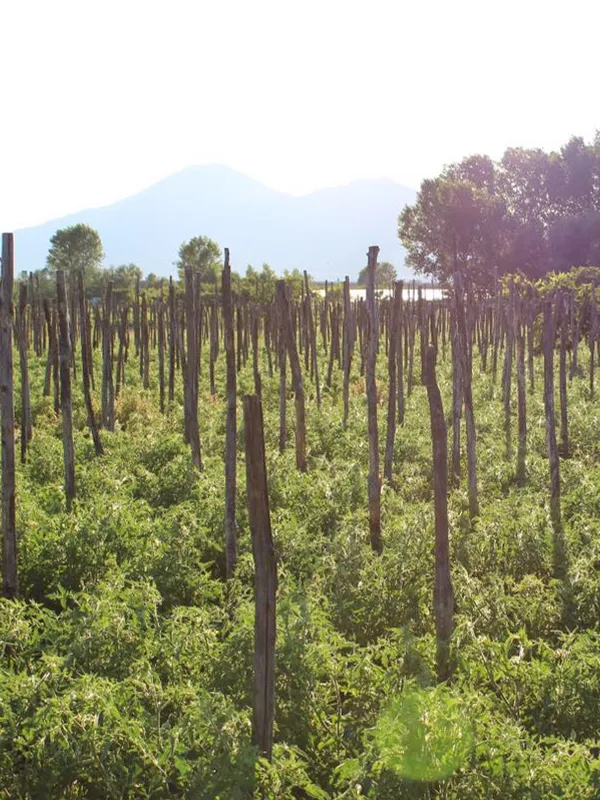
San Marzano tomatoes thrive in warmer climates, which is why the Sarnese Nocerino area of Italy is the ideal location to grow them. The Agro Nocerino Sarnese is a geographical region in Campania between the provinces of Salerno and Naples. This area is low-lying, bound to the south by the Lattari Mountains, the east and northeast by the Picentini Mountains, and the west by Mount Vesuvius. The soil in this designated area is mostly covered by pyroclastic materials of volcanic origin, which provides sufficient quantities of organic matter that in turn yield high fertility of the tomatoes. The high water table of this area comes from the presence of numerous springs of different depths, and water for irrigation is derived from wells that feed directly from the groundwater. Although the area isn’t prone to heavy amounts of rainfall during the summer months (harvest), the relative humidity in the area from the close proximity to the sea keeps the plants from drying out. Cento’s facility in the Sarnese Nocerino area of Italy is approximately 22 miles southeast of Naples, sitting in the shadow of Mount Vesuvius. The proximity of the facility to the fields allows the hand-picked crop to be delivered within hours of selection, then immediately processed and canned.
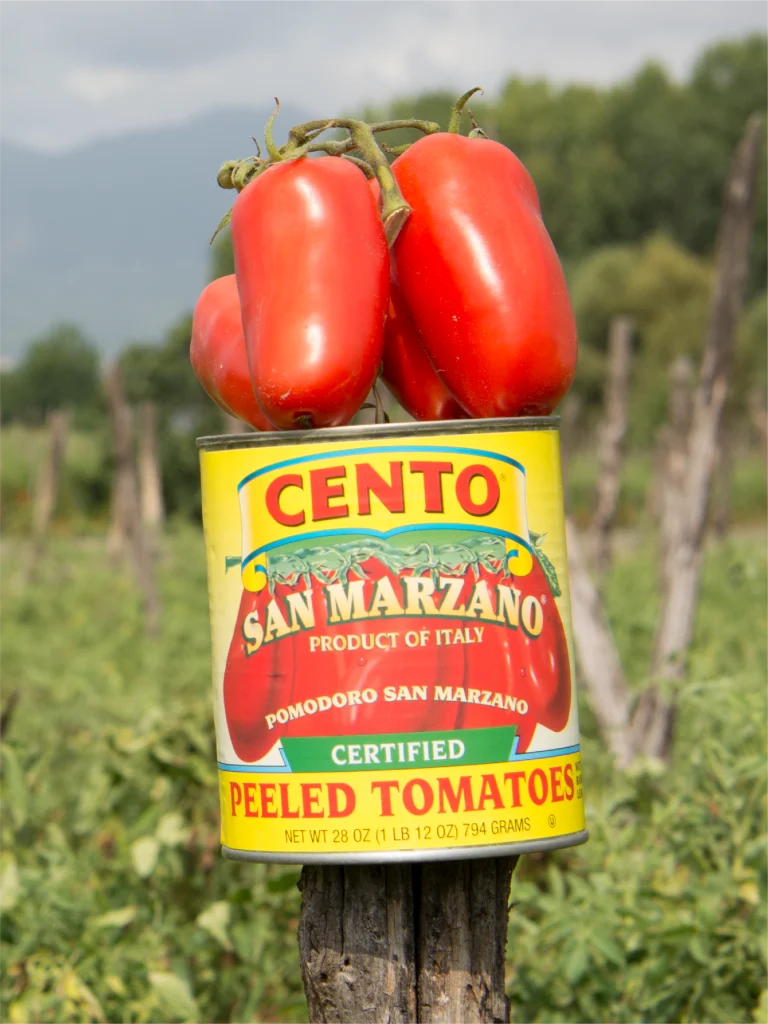
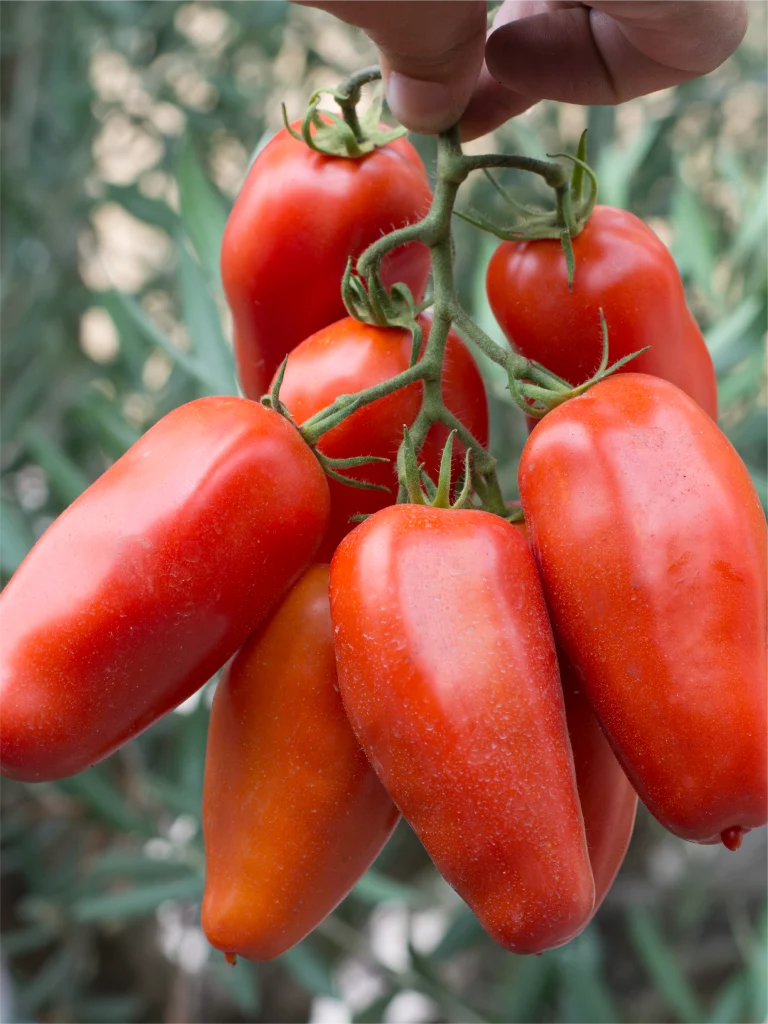
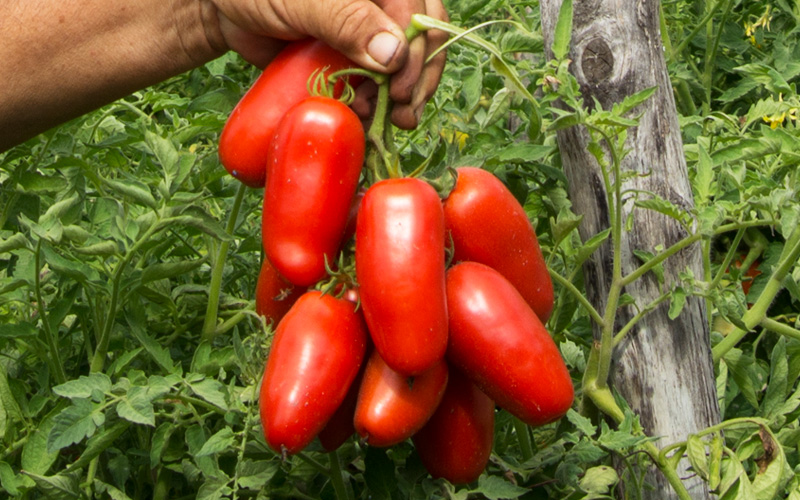
San Marzano tomatoes are similar in appearance to Roma tomatoes, but thinner and more elongated. The walls of San Marzano tomatoes are thicker, but contain fewer seeds, which makes this tomato varietal less acidic and sweeter than others. Guidelines set state true San Marzano tomatoes must have the traditional oblong shape, measure 6-8cm in length, and have a uniform, bright red color. Because Cento Certified San Marzano tomatoes are hand-picked only when ripe, no over-ripe, blemished, or rotted tomatoes are even brought into our facility; only the best of our tomatoes are picked in the field.
At Cento, our San Marzano tomato plants are hand-tied to wooden poles with natural materials to ensure our plants aren’t touched by anything that could harm them. To aid in the growing process, our plants are tied three times, which allows them to grow to the fullest capacity at 6-7 feet. Standards state harvesting of the tomatoes in July must be done exclusively by hand as the tomatoes reach full ripeness. Harvest takes place on several occasions and the tomatoes must be transported quickly to the processing plants in plastic containers.
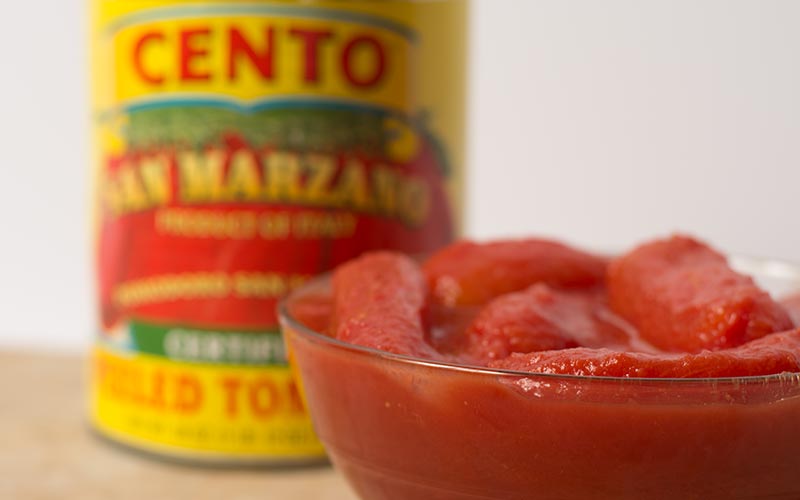
The first stage of processing involves washing the tomatoes. The tomatoes are then steam-peeled, an all-natural process that has been used in Italy for centuries. Steam peeling is environmentally friendly and uses only hot water, no chemical by-products. Cento has used this method for generations and will continue to exemplify the highest industry quality and sustainability standards. The tomatoes are then sorted. At Cento, our tomatoes are hand-sorted to ensure only the best tomatoes are provided in our cans. The tomatoes are then packed into BPA-free lined cans with the addition of the allowed packing medium: a light tomato puree, made of only San Marzano tomatoes. Fresh basil leaves and a minimal amount of salt are allowed under the guidelines. Once the tomatoes are canned, the cans are sterilized and cooled.

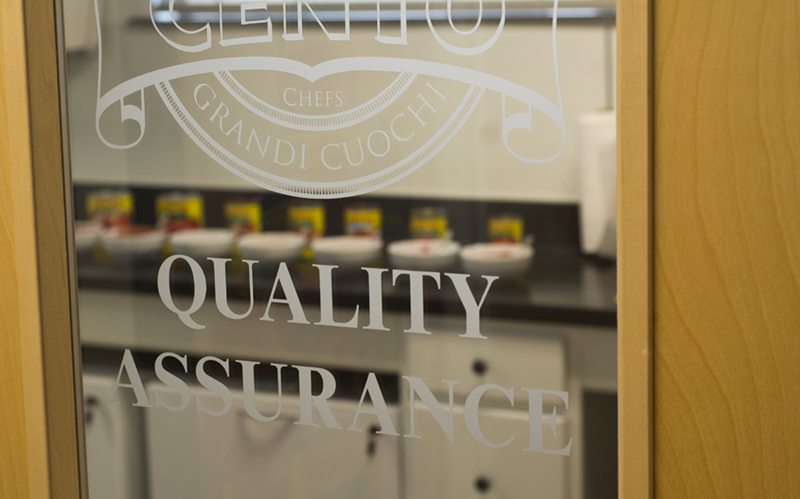
Our Cento Certified San Marzano Tomatoes are certified by one of the largest third party certifying body in the European Union. In addition to random tests throughout the growing and production processes, our Quality Assurance processes mandate testing of each lot that comes to our warehouse in New Jersey before product is allowed to be released to grocery stores. Our QA team and Executive Chef conduct a series of organoleptic, analytical and performance-based tests to ensure each lot of tomatoes follows our specifications and meets our proprietary standards.
Certification is only meaningful when it is supported by traceability. Cento works with third-party organizations and verification programs to help validate responsible sourcing practices and ensure traceability throughout the supply chain.
By connecting products to verified data, Cento provides shoppers with a greater level of transparency and confidence. From the farms in Campania to the finished cans on store shelves, every step is part of a process designed to uphold authenticity, quality, and trust.
PAC, or Product Attribute Certification, was created to verify traceability and sustainability standards and practices. Our mission is to certify the geographical connection of attributes to products, providing transparency and promoting consumer confidence.
Trace Register allows us to electronically connect lot data with products, certifying traceability standards. Consumers can trace their Cento Tuna cans back to the boat where their tuna was caught.
Certified by an independent E.U. approved US accepted third-party agency under UNI EN ISO 22005:20008 for supply chain and product traceability. ISO is an independent, non-governmental organization
From seed to shelf, our San Marzano tomatoes are monitored and held to the highest of our standards. Each can comes stamped with a “lot code” on the lid, as well as a best before date. These lot codes allow us to trace every can to the farm where the tomatoes were picked to ensure that each crop is up to our high standards. If you’re interested in which of our farms your can of tomatoes came from, click the button below to trace your can!
Certification explains how authentic San Marzano Tomatoes are verified, but it is only part of the story. To learn more about their history, flavor, growing region, and why they are considered the gold standard of Italian cooking, explore our guide to San Marzano Tomatoes.
Packaging, nutrition facts and ingredient statements are
subject to change. For the most up to date information
regarding a product, please refer to the product’s packaging.