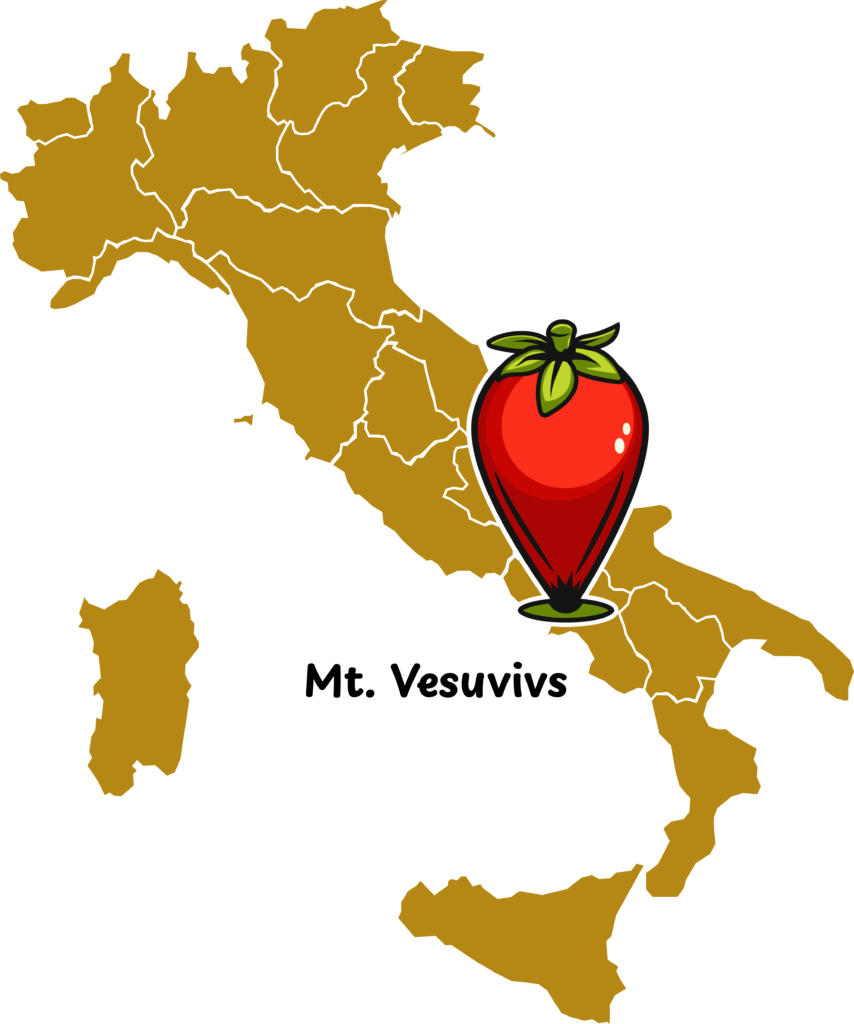
Few ingredients are as iconic in Italian cooking as the San Marzano tomato. Grown in the fertile volcanic soil surrounding Mount Vesuvius in southern Italy, San Marzano tomatoes are celebrated for their naturally sweet flavor, low acidity, firm flesh, and fewer seeds. Their unique characteristics have made them the preferred tomato for authentic pizza sauces, pasta dishes, and countless traditional Italian recipes around the world.
True San Marzano tomatoes are grown in the Agro Sarnese Nocerino region of Campania, Italy. This area sits near Mount Vesuvius, where centuries of volcanic activity have created nutrient-rich soil unlike anywhere else in the world.
The combination of fertile earth, warm Mediterranean sunshine, and generations of farming expertise creates ideal growing conditions that contribute to the tomato’s signature flavor profile. These conditions cannot be replicated elsewhere, making the region an essential part of what makes San Marzano tomatoes unique.
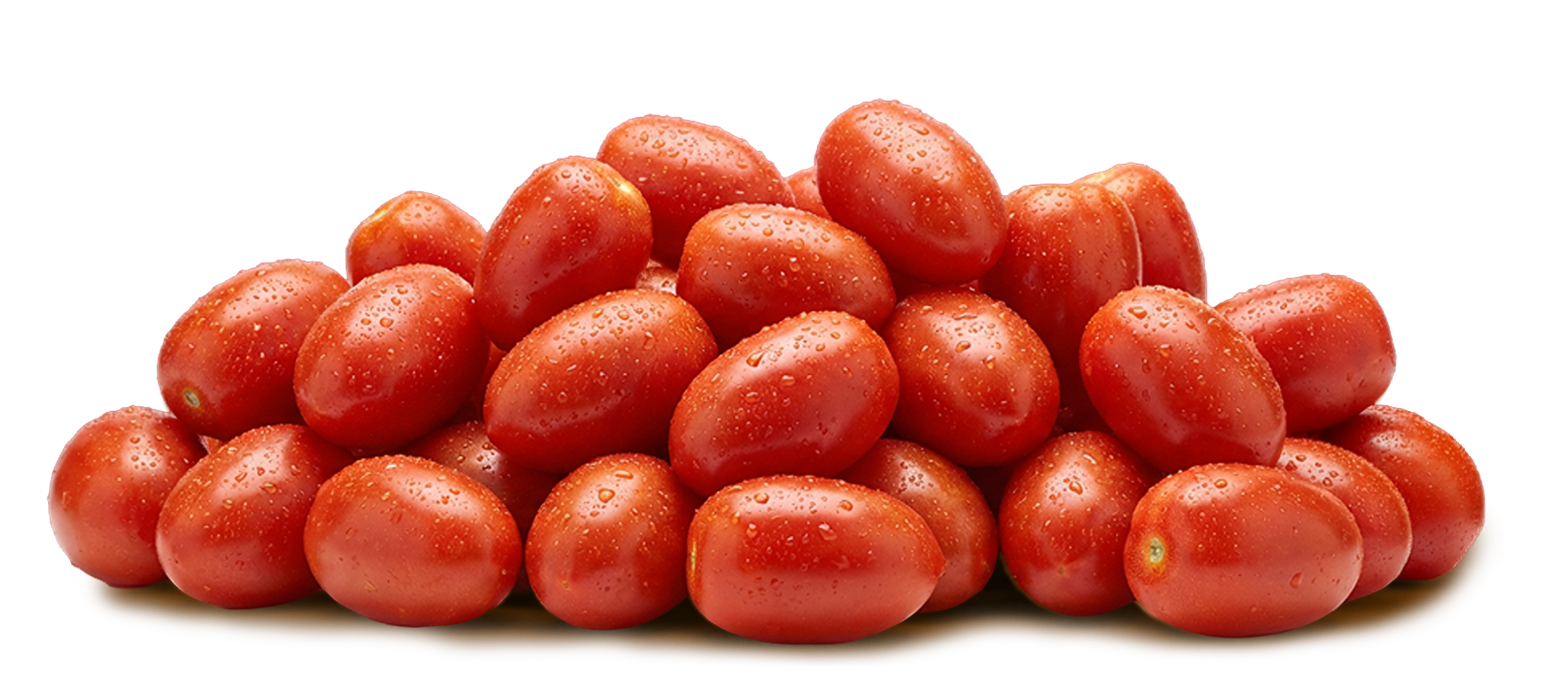
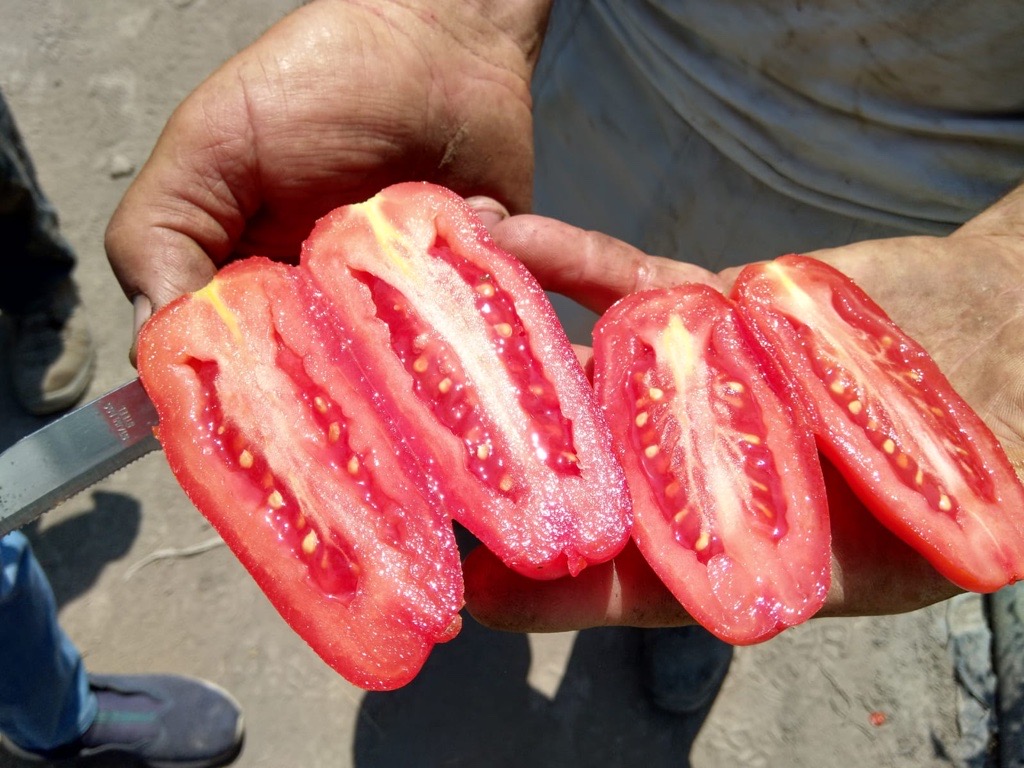
Unlike many common tomato varieties, San Marzano tomatoes are prized for their unique balance of sweetness and acidity. Their elongated shape, firm flesh, and lower seed count make them ideal for cooking, creating rich sauces with a smooth texture and deep tomato flavor.
Chefs and home cooks alike appreciate that San Marzano tomatoes require very little preparation. Whether crushed by hand for a rustic pizza sauce or simmered into a traditional marinara, they deliver authentic Italian flavor with minimal effort.
Every San Marzano tomato follows a carefully monitored journey from planting to packaging. Seeds are nurtured in greenhouses before being transferred to the fields where they grow to full maturity. Once vine-ripened, the tomatoes are harvested by hand at peak freshness.
After harvesting, the tomatoes are inspected, sorted, and steam peeled before being packed and preserved. This process helps maintain the integrity of the fruit while locking in the fresh flavor that consumers expect from premium San Marzano tomatoes.


For generations, professional chefs and home cooks have considered San Marzano tomatoes the gold standard for cooking. Their balanced sweetness, vibrant color, and consistent quality allow them to shine in everything from simple marinara sauces to traditional Neapolitan pizza.
Unlike many standard canned tomatoes, San Marzano tomatoes require very little preparation. They can be crushed by hand, blended into smooth sauces, or simmered slowly to create rich, authentic Italian dishes. Their versatility makes them a staple ingredient in kitchens around the world.
San Marzano tomatoes have been cultivated in southern Italy for generations. Farmers continue many traditional growing practices that have been passed down through the years, carefully tending the plants throughout the growing season to ensure consistent quality.
The tomatoes are typically supported by hand-tied stakes, allowing the fruit to mature properly while maximizing exposure to sunlight. This attention to detail helps produce the firm, flavorful tomatoes that have made San Marzano a staple of Italian cuisine.
Not every tomato labeled “San Marzano” meets the same standards. Certified San Marzano tomatoes are grown within designated regions of Italy and must meet strict requirements regarding cultivation, harvesting, and processing.
These standards help preserve the authenticity and quality that have made San Marzano tomatoes famous around the world. By choosing certified products, consumers can be confident they are experiencing the genuine flavor and heritage of one of Italy’s most celebrated ingredients.
 We partner with leading certification organizations to validate responsible sourcing practices and ensure full traceability throughout our supply chain. By connecting products to verified data, we provide transparency, strengthen trust, and uphold the highest standards of quality and integrity.

Packaging, nutrition facts and ingredient statements are
subject to change. For the most up to date information
regarding a product, please refer to the product’s packaging.